Timeline
Listed by date within each period. Anything marked Contested or Tradition carries a note saying what is disputed, or where the account comes from.
Last updated 3 October 2026
Period 1
c. 3000 to 1000 BCE
The First Settlers
People were living in the Valley by about 3000 BCE. At Burzahom and Gufkral they first lived in pits dug into the raised plateaus called karewas, and later in houses of mud brick. The karewas themselves are old lake beds, which fits the story told in Kashmir's early texts that the Valley was once a great lake.
c. 3000 BCE
People settle at Burzahom
Excavations at Burzahom, north-east of Srinagar, found pit dwellings, bone and stone tools, and later burials, some with dogs buried alongside people. The earliest phase dates to around 3000 BCE.
In the museumBurzahom
Period 2
c. 300 BCE to 625 CE
Buddhism and Empires
Kashmir became a major centre of Buddhist learning, linked to the Mauryan and Kushan empires and to the trade routes of Central Asia. Monasteries and terracotta-tiled courtyards at sites like Harwan date from these centuries. In the 6th century the Valley came under the Huns, remembered through the ruler Mihirakula.
c. 3rd century BCE
Ashoka and the city of Srinagari
TraditionKalhana's chronicle says the Mauryan emperor Ashoka ruled Kashmir and founded a city called Srinagari, usually placed near Pandrethan on the edge of modern Srinagar.
In the museumPandrethan Temple
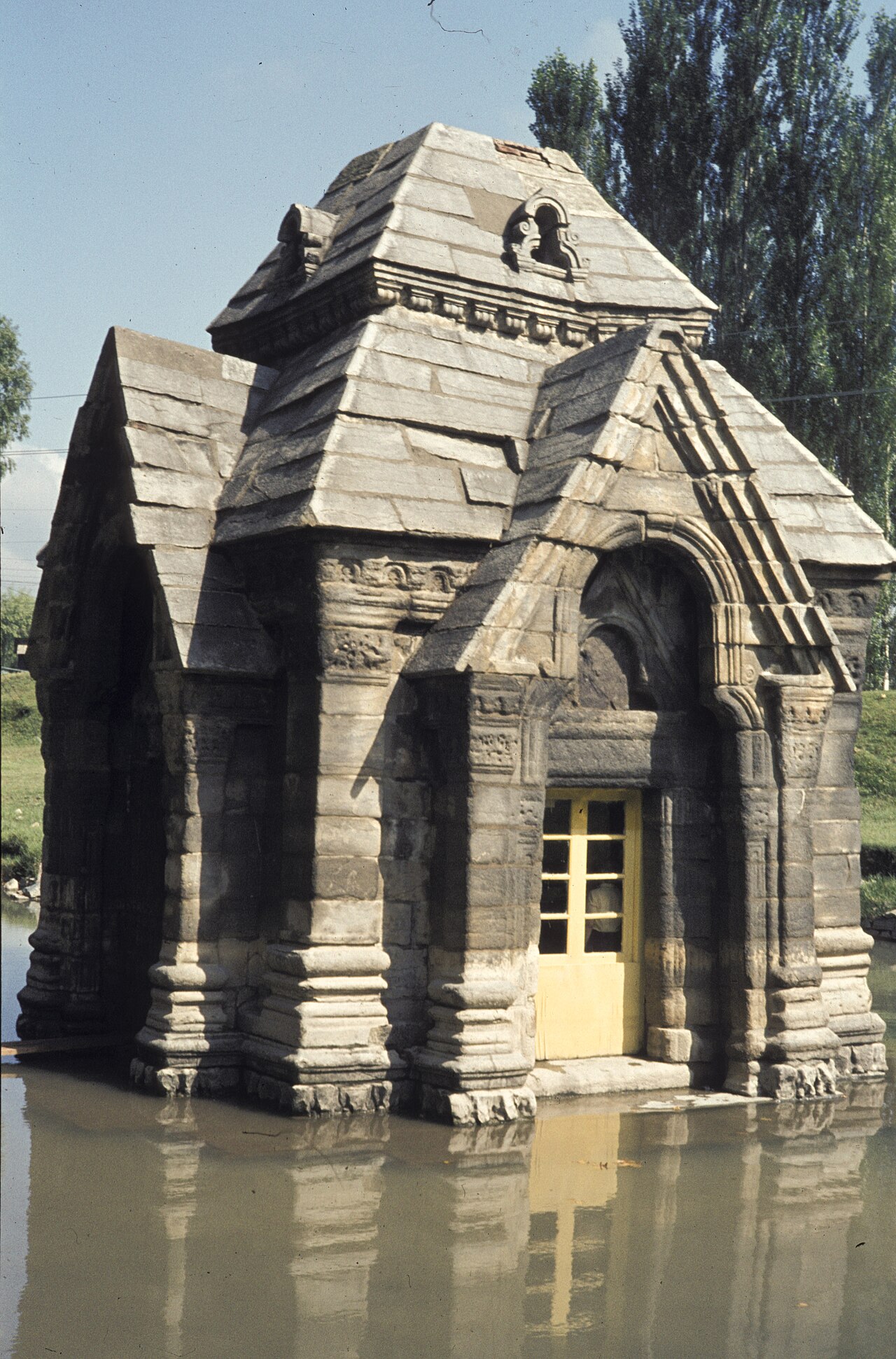
Pandrethan Temple Photo: H. Grobe · CC BY 3.0 · Wikimedia Commons
c. 1st to 2nd century CE
The Fourth Buddhist Council
TraditionBuddhist tradition holds that a great council of monks met in Kashmir under the Kushan king Kanishka and compiled commentaries on Buddhist teaching.
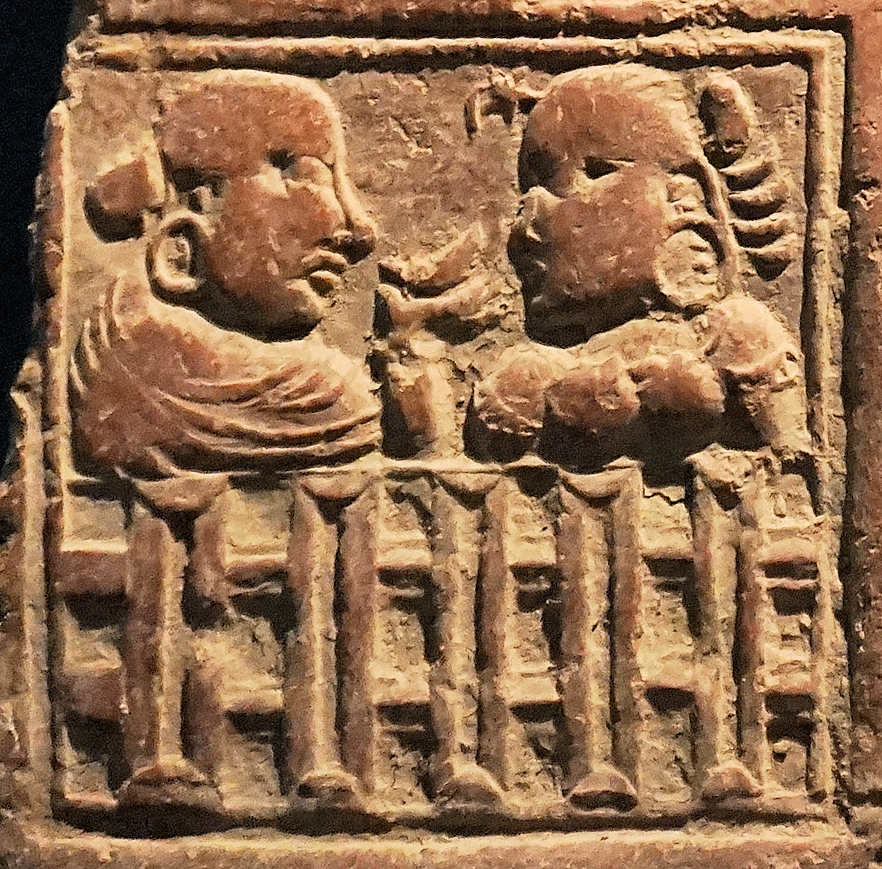
Harwan Photo: Deepank Ranka · CC BY 3.0 · Wikimedia Commons
early 6th century
Mihirakula and the Huns
The Alchon Hun ruler Mihirakula held Kashmir in the early 6th century. Kalhana remembers him as one of the cruellest kings in the Valley's history.
Period 3
c. 625 to 855 CE
The Karkota Dynasty
The Karkotas made Kashmir a regional power. Their best-known king, Lalitaditya Muktapida, built the Sun Temple at Martand and a new capital at Parihaspora. Kashmir's distinctive stone temple style, with trefoil arches and steep pyramidal roofs, matured in this period.
c. 625
The Karkota dynasty begins
Durlabhavardhana founded the Karkota dynasty, which would rule Kashmir for more than two centuries.
c. 631
Xuanzang studies in Kashmir
The Chinese Buddhist pilgrim Xuanzang arrived in Kashmir around 631 and spent about two years there studying Buddhist texts with local teachers. His travel account is one of the earliest outside descriptions of the Valley.
In the museumXuanzang
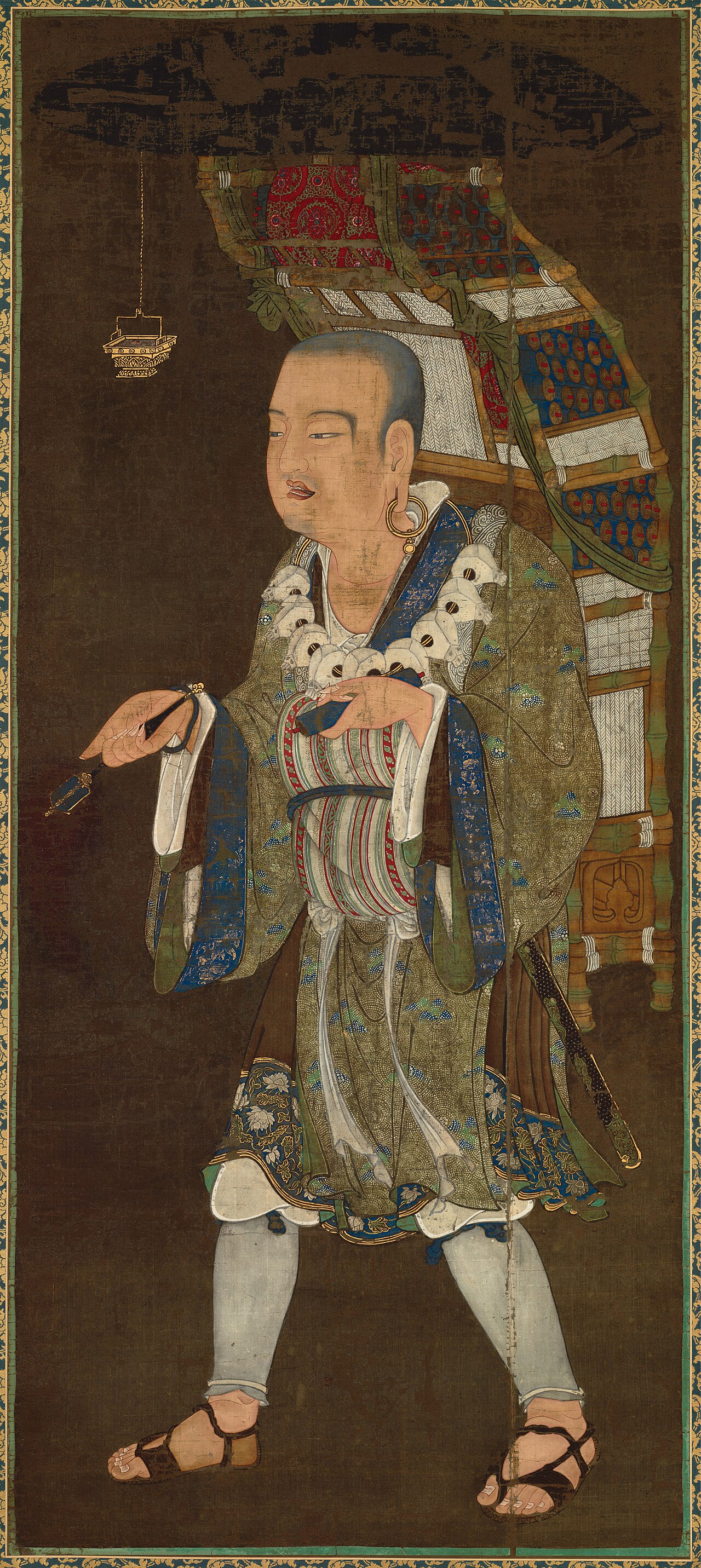
Xuanzang Photo: Unknown author Unknown author · Public domain · Wikimedia Commons
c. 724 to 760
Lalitaditya Muktapida reigns
ContestedLalitaditya was the most powerful Karkota king. Kalhana describes military campaigns far beyond the Valley, as well as great building projects at home.
In the museumLalitaditya MuktapidaMartand Sun TempleParihaspora
Lalitaditya Muktapida Photo: Shaurya · CC BY-SA 3.0 · Wikimedia Commons
8th century
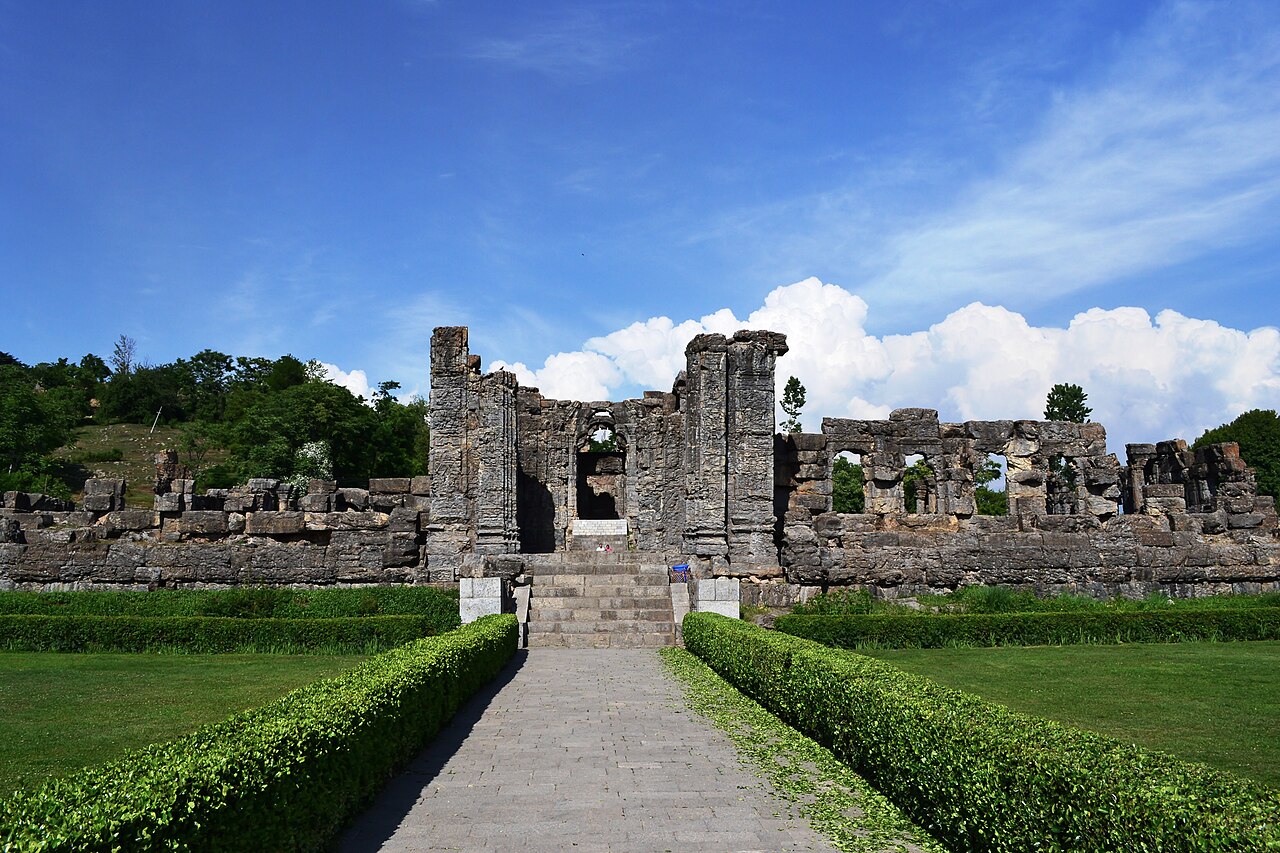
The Sun Temple at Martand
The great temple to the sun god Surya at Martand, on a plateau near present-day Anantnag, is attributed to Lalitaditya.
In the museumMartand Sun Temple
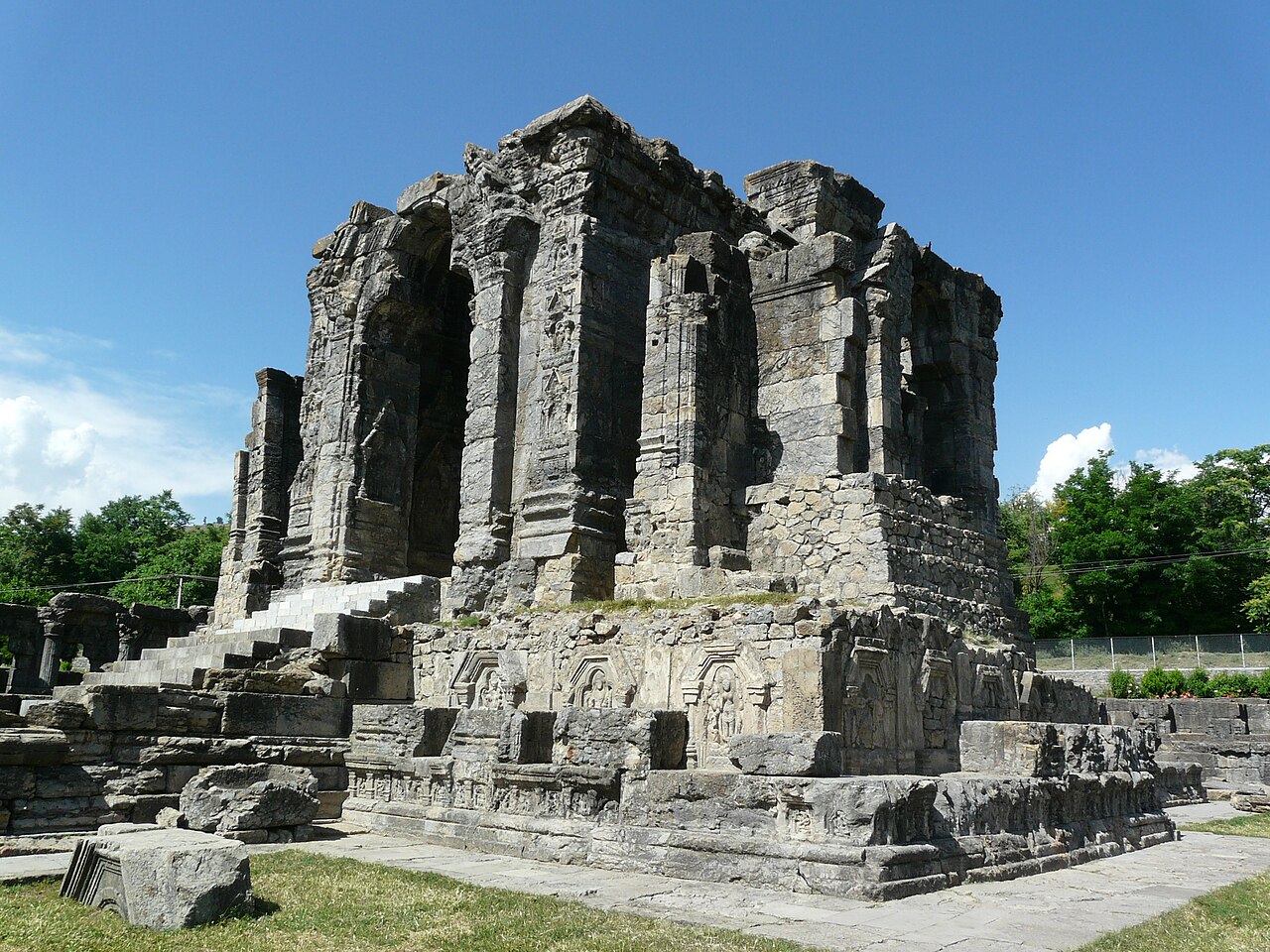
Martand Sun Temple Photo: Varun Shiv Kapur from New Delhi, India · CC BY 2.0 · Wikimedia Commons
Period 4
855 to 939 CE
The Utpala Dynasty
Avantivarman founded the Utpala dynasty and a new town, Avantipura, with two great temples. His engineer Suyya reshaped the Jhelum's course to control floods and open new farmland. Kashmir's reputation as a centre of Sanskrit learning grew stronger through these years.
855
Avantivarman founds the Utpala dynasty
Avantivarman took the throne and began a period of relative peace and rebuilding after the last troubled years of the Karkotas.
In the museumAvantivarmanAvantipora Temples
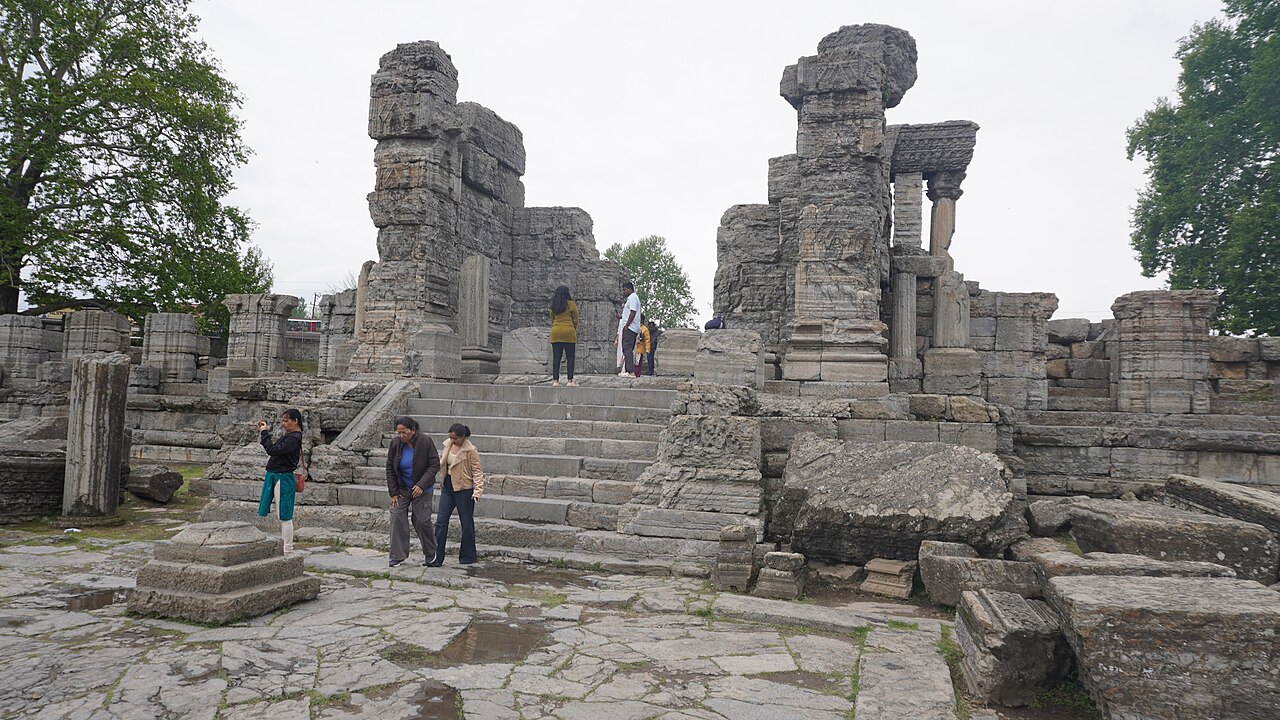
Avantipora Temples Photo: Harvinder Chandigarh · CC BY 4.0 · Wikimedia Commons
late 9th century
Suyya tames the Jhelum
Avantivarman's engineer Suyya cleared blockages in the Jhelum, moved where rivers met and drained marshes, opening new farmland and reducing floods. The town of Sopore, once Suyyapura, is named after him.
In the museumSuyyaThe Jhelum
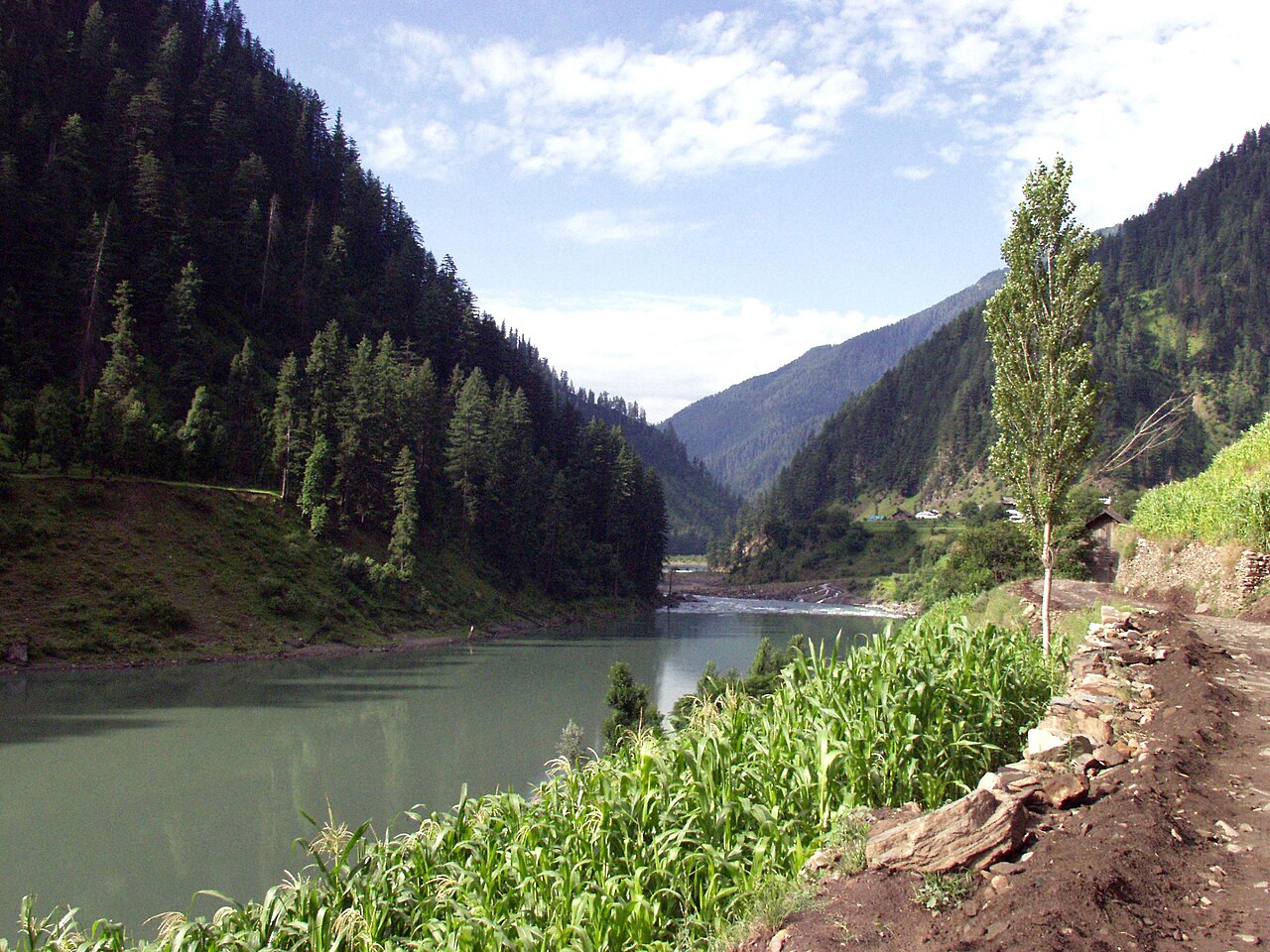
The Jhelum Photo: Myasinilyas · Public domain · Wikimedia Commons
Period 5
939 to 1339 CE
Didda and the Lohara Kings
Four turbulent centuries that produced some of Kashmir's greatest minds. Queen Didda ruled for decades, her family founded the Lohara dynasty, and philosophers like Abhinavagupta wrote works still studied today. Kalhana wrote his chronicle of Kashmir's kings in 1148. The period ended with a devastating raid in 1320, the brief rule of Rinchan, and Kota Rani, the last Hindu ruler.
958 to 1003
Didda rules Kashmir
Didda governed as regent for her son and grandsons from 958, then ruled in her own name from 980 until her death in 1003, one of the longest-serving rulers in the Valley's history.
In the museumDidda
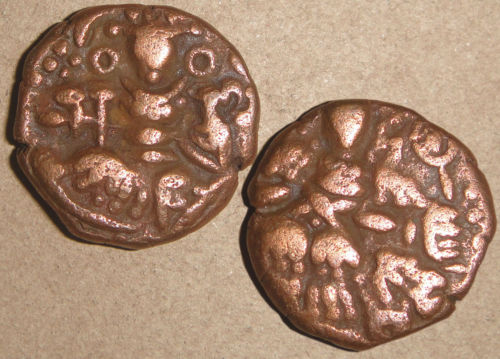
Didda Photo: Old India Coins · CC BY-SA 4.0 · Wikimedia Commons
1003
The Lohara dynasty begins
Didda chose her nephew Samgramaraja, from the Lohara family of the Poonch area, as her successor, founding the Lohara dynasty.
1015 and 1021
Mahmud of Ghazni turned back
Mahmud of Ghazni tried to enter Kashmir in 1015 and again around 1021, but failed to take the mountain fort of Lohkot and withdrew both times.
1148 to 1149
Kalhana writes the Rajatarangini
Kalhana completed the Rajatarangini, the River of Kings, a Sanskrit verse history of Kashmir's rulers. It is the main written source for most of the Valley's early history.
In the museumKalhanaThe Rajatarangini
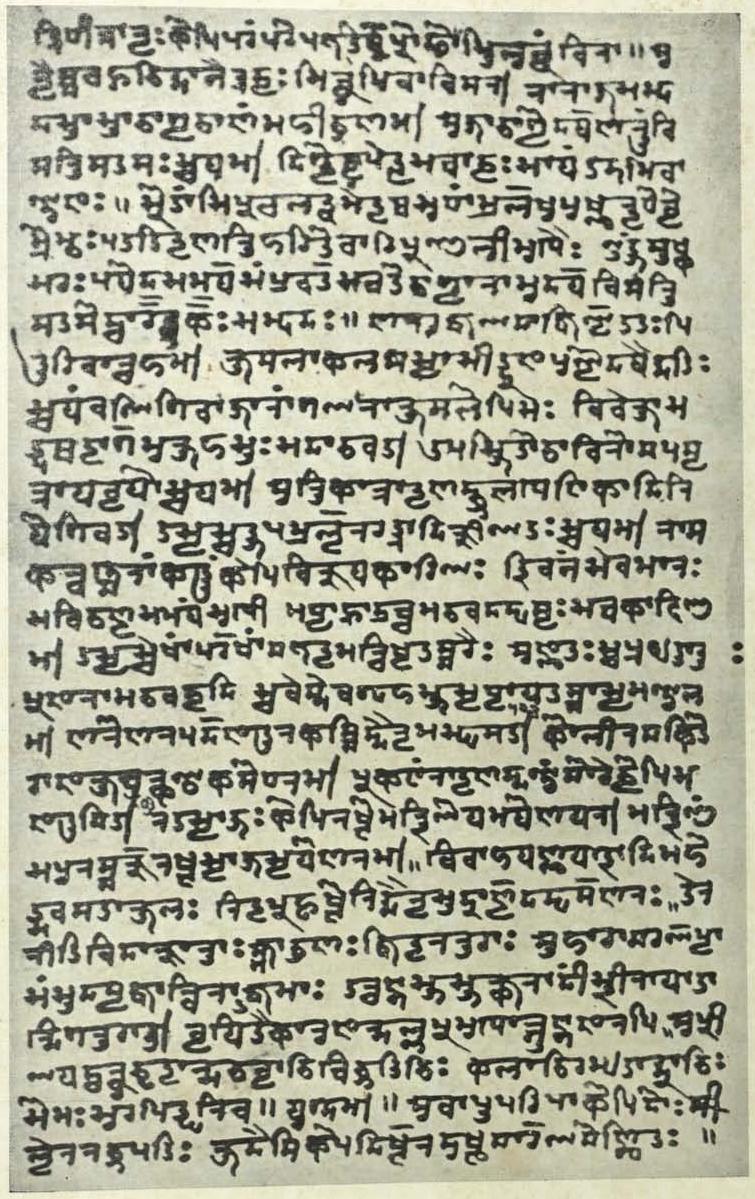
The Rajatarangini Photo: Original work by Kalhana, manuscript written by an unknown scribe · Public domain · Wikimedia Commons
1320
Dulucha's raid and Rinchan's rise
A raider known as Dulucha, or Zulju in Persian sources, devastated the Valley in 1320. In the chaos Rinchan, a Buddhist prince from Ladakh, took the throne and later became the first Muslim ruler of Kashmir.
In the museumRinchan
until 1339
Kota Rani, the last Hindu ruler
Kota Rani, widow of two kings, held power until 1339, when her minister Shah Mir took the throne. She was the last Hindu ruler of Kashmir.
Period 6
1339 to 1561
The Shah Mir Sultanate
Shah Mir founded a sultanate that lasted over two centuries. Islam spread through the Valley, carried by Sufi teachers from Central Asia and Persia and by Kashmir's own Rishi order. Sultan Zain-ul-Abidin, remembered as Budshah, the great king, is celebrated for religious tolerance and for encouraging crafts, learning and public works.
1339
Shah Mir founds the Sultanate
Shah Mir, a courtier who had served the last Hindu rulers, took the throne and founded a dynasty that ruled Kashmir for more than 200 years.
In the museumShah Mir
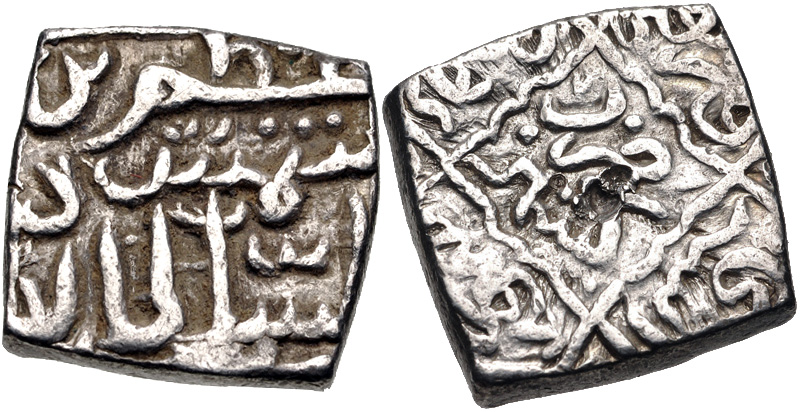
Shah Mir Photo: CNG Coins · CC BY-SA 3.0 · Wikimedia Commons
14th century
Lal Ded's verses
TraditionThe mystic Lal Ded, also called Lalleshwari or Lalla Arifa, composed short spiritual verses called vakhs in Kashmiri. They are among the oldest works in the language and are still recited by Hindus and Muslims alike.
In the museumLal Ded
1370s and 1380s
Mir Sayyid Ali Hamadani comes to Kashmir
ContestedThe Persian Sufi scholar Mir Sayyid Ali Hamadani visited Kashmir with a large group of followers. He is remembered as a central figure in the spread of Islam in the Valley, and tradition credits his companions with bringing crafts such as shawl weaving.
In the museumMir Sayyid Ali HamadaniKhanqah-e-Moula
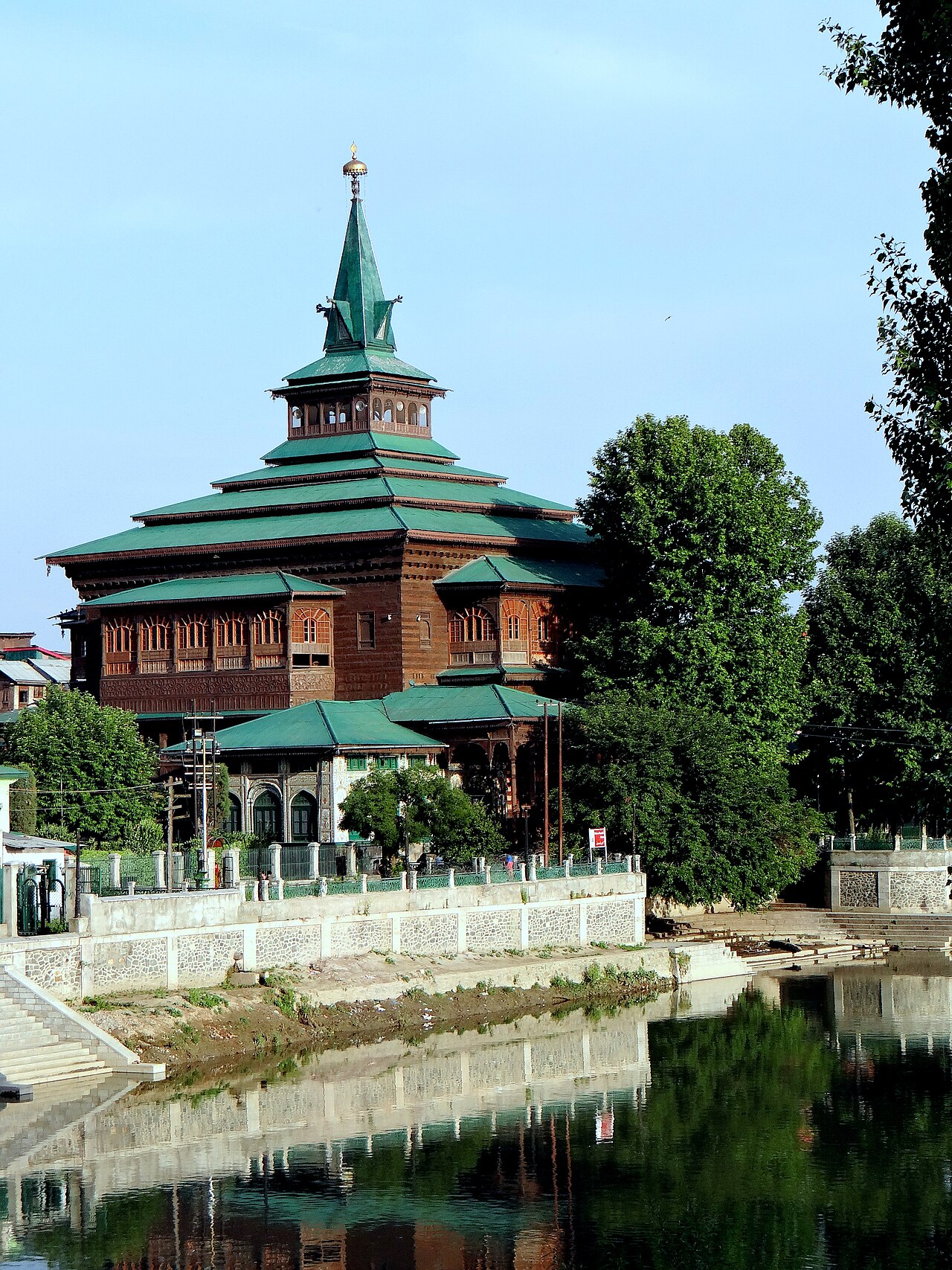
Khanqah-e-Moula Photo: Tauqeerzahid · CC BY-SA 3.0 · Wikimedia Commons
1377 to 1438
Nund Rishi and the Rishi order
Sheikh Nooruddin Noorani, known as Nund Rishi or Sheikh ul-Alam, founded the Rishi order, a Kashmiri Sufi tradition of simple living and devotion. His Kashmiri verses, called shruks, sit alongside Lal Ded's at the root of Kashmiri literature.
In the museumNund RishiCharar-e-Sharief
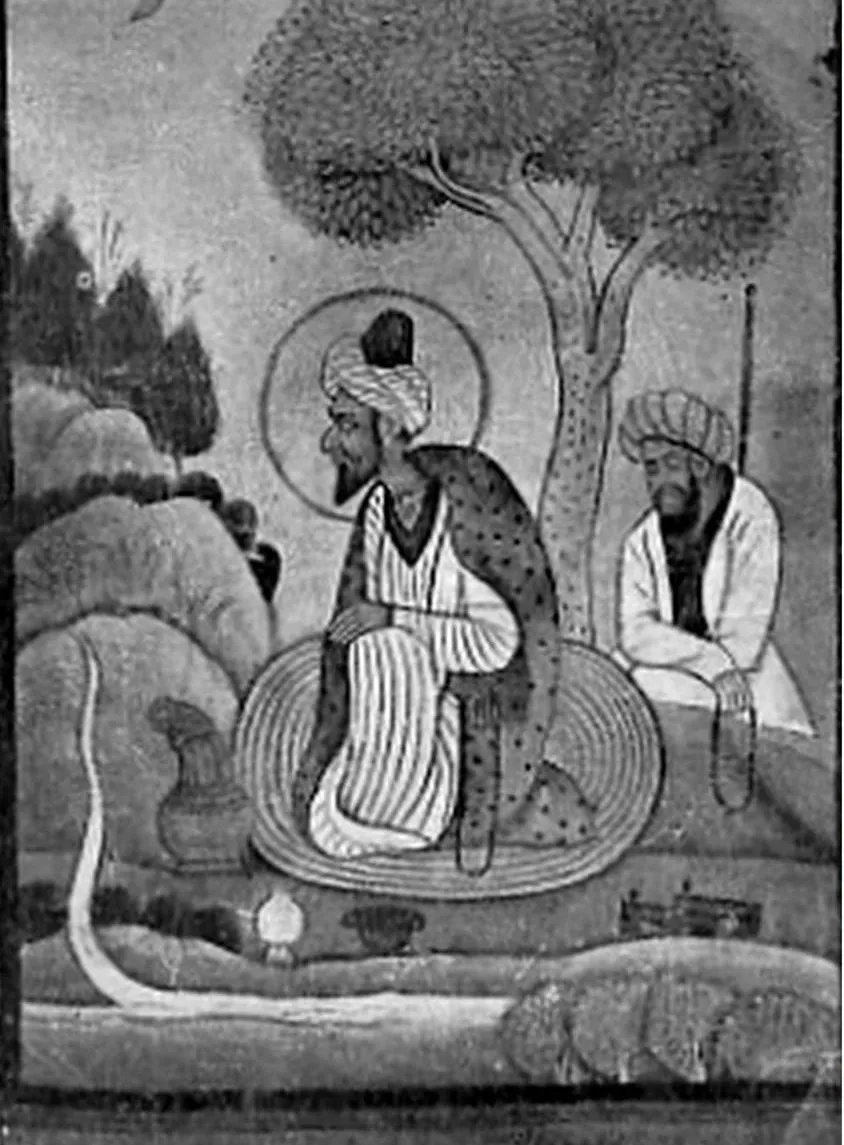
Nund Rishi Photo: Unknown author Unknown author · Public domain · Wikimedia Commons
1389 to 1413
Sultan Sikandar's reign
ContestedSultan Sikandar built Srinagar's Jamia Masjid. The chronicler Jonaraja also records the destruction of many temples and pressure on Brahmins during his reign.
In the museumJamia Masjid, Srinagar
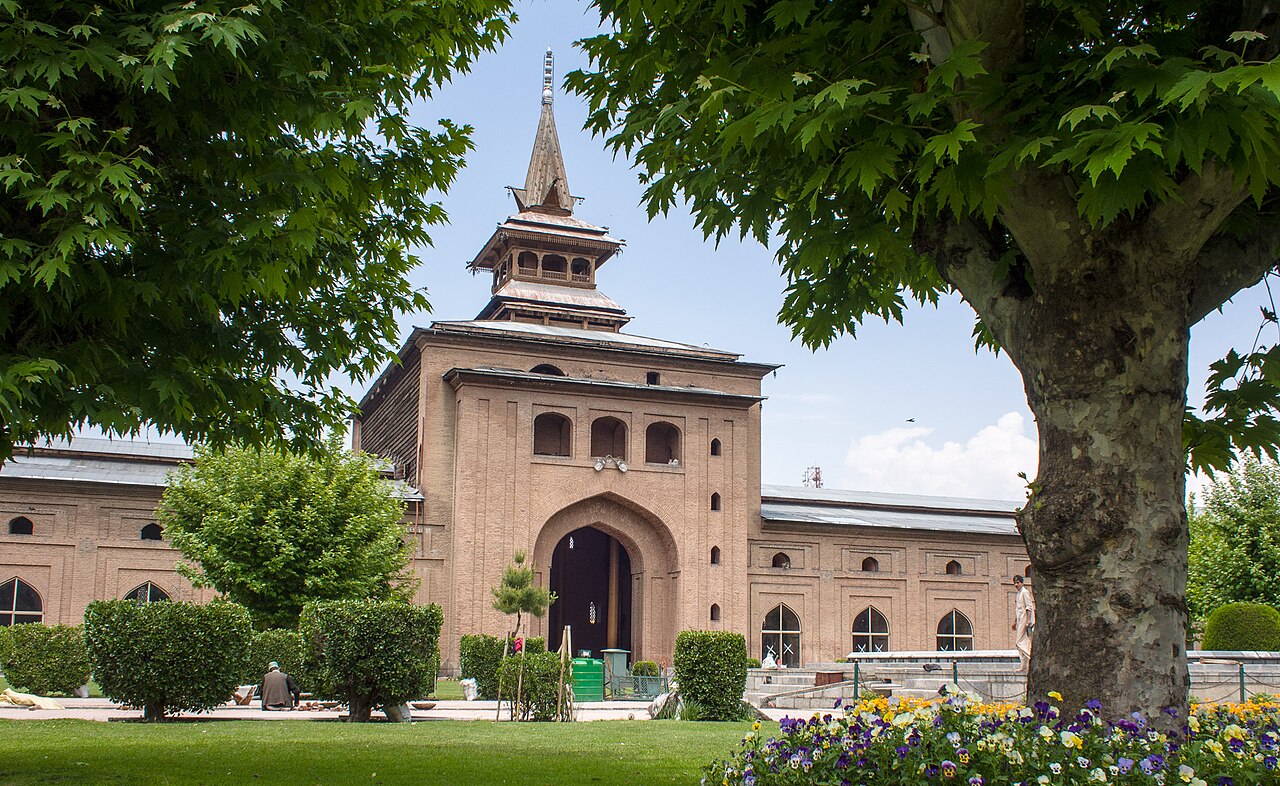
Jamia Masjid, Srinagar Photo: Mike Prince from Bangalore, India · CC BY 2.0 · Wikimedia Commons
1394 to 1402
Srinagar's Jamia Masjid is built
Sultan Sikandar began the Jamia Masjid in 1394 and it was finished in 1402. Burned and rebuilt several times, it remains the Valley's principal mosque.
In the museumJamia Masjid, Srinagar
Jamia Masjid, Srinagar Photo: Mike Prince from Bangalore, India · CC BY 2.0 · Wikimedia Commons
1420 to 1470
Budshah, the great king
Sultan Zain-ul-Abidin invited back Pandits who had fled, ended the jizya tax on non-Muslims, supported translation between Sanskrit and Persian, and encouraged crafts, canals and bridges. Kashmiris still call him Budshah, the great king.
In the museumZain-ul-Abidin (Budshah)Tomb of Budshah's MotherZaina Lank
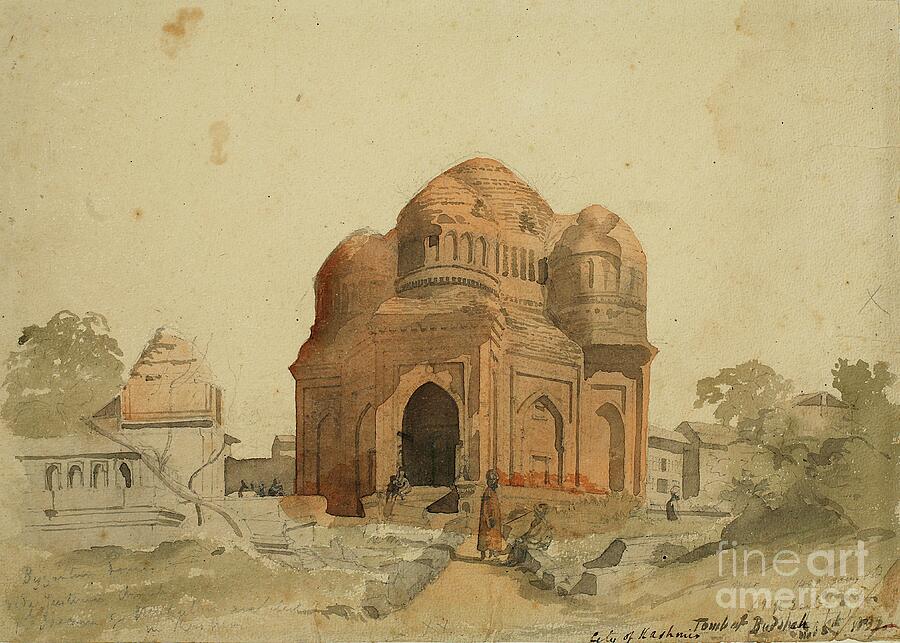
Tomb of Budshah's Mother Photo: Godfrey Thomas Vigne [G. T. Vigne] (1 September 1801 – 12 July 1863) · Public domain · Wikimedia Commons
15th century
The chronicle continues
Jonaraja extended Kalhana's Rajatarangini into his own time, and after his death in 1459 his pupil Shrivara carried it further. Together they are the main contemporary record of the early Sultanate.
In the museumThe Rajatarangini
The Rajatarangini Photo: Original work by Kalhana, manuscript written by an unknown scribe · Public domain · Wikimedia Commons
Period 7
1561 to 1586
The Chak Dynasty
The Chaks, a Kashmiri family, took power from the last Shah Mir sultans. Their short rule is remembered through Yusuf Shah Chak and the poet Habba Khatoon, and it ended when the Mughal emperor Akbar annexed Kashmir in 1586.
1561
The Chaks take power
Ghazi Shah Chak removed the last Shah Mir sultan and founded the Chak dynasty, rule by a Kashmiri family that had grown powerful at court.
late 16th century
Habba Khatoon's songs
TraditionHabba Khatoon, the poet remembered as the queen of Yusuf Shah Chak, sang of love and longing in Kashmiri. Her songs are still sung, and she is often called the Nightingale of Kashmir.
In the museumHabba Khatoon
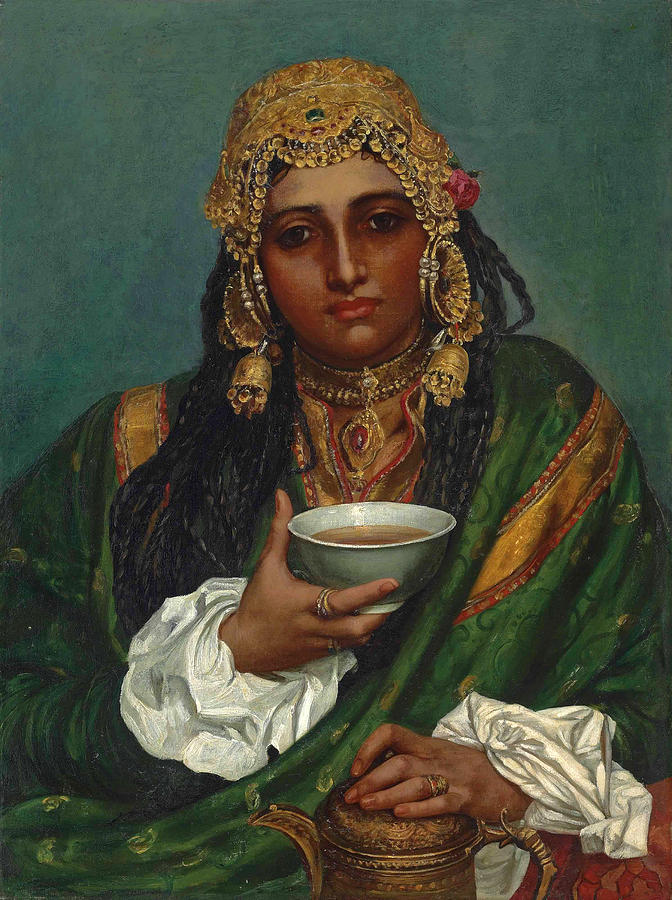
Habba Khatoon Photo: Valentine Cameron Princep · CC0 · Wikimedia Commons
Period 8
1586 to 1752
Mughal Kashmir
Kashmir became the Mughal emperors' summer retreat. Jahangir, Nur Jahan, Shah Jahan and Dara Shikoh laid out terraced gardens fed by mountain springs, including Shalimar, Nishat and Chashme Shahi, and built mosques and pavilions around Dal Lake. Kashmir was governed as a province of the empire from distant capitals.
1586
Akbar annexes Kashmir
Mughal forces sent by Akbar entered the Valley. Yusuf Shah Chak submitted and was taken into exile, while his son Yaqub Shah held out until 1589. Kashmir became a province of the Mughal Empire.
In the museumYusuf Shah Chak
1589
Akbar's first visit
Akbar travelled to Kashmir in 1589. In the 1590s he had a walled town built around Hari Parbat, known as Nagar Nagor.
In the museumHari Parbat
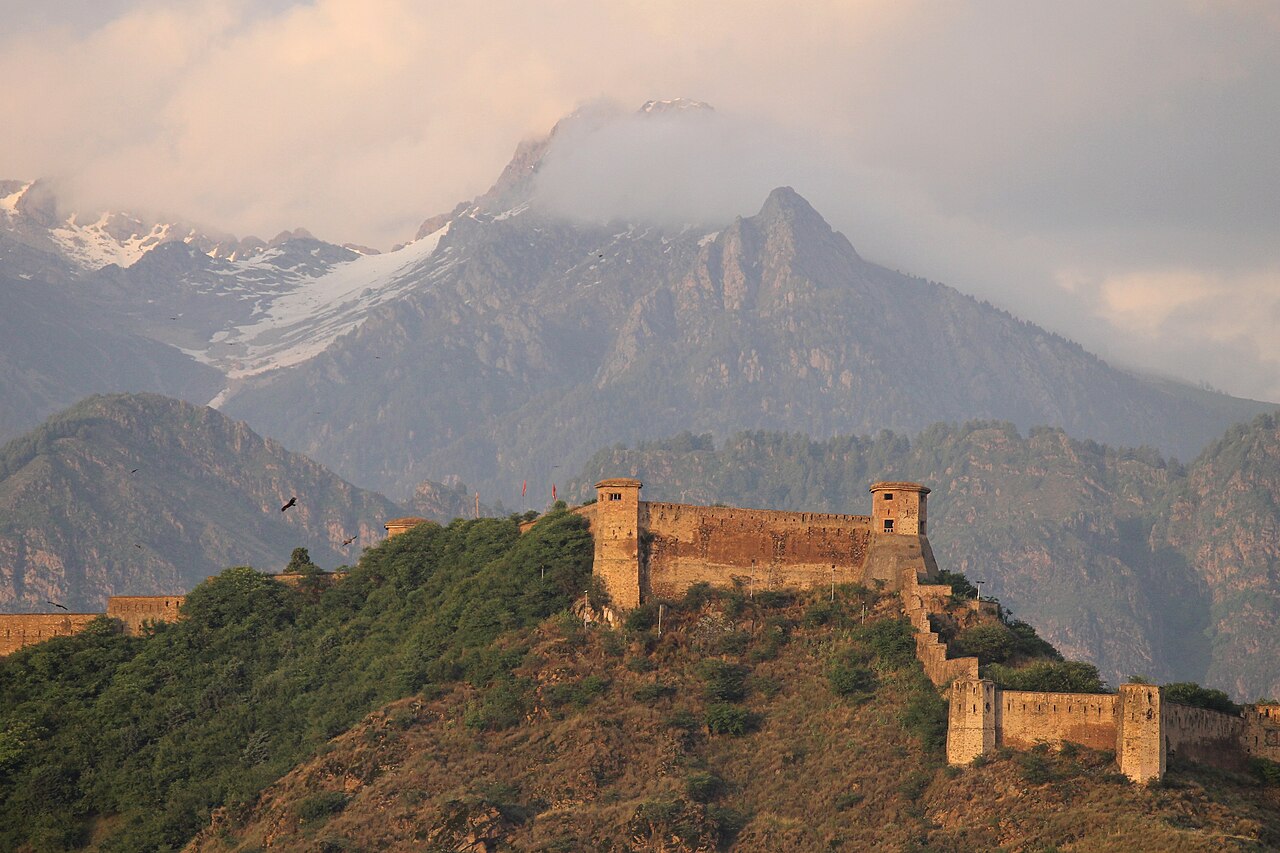
Hari Parbat Photo: Mohamad Talib Bhat · CC BY-SA 3.0 · Wikimedia Commons
1619
Shalimar Bagh is laid out
Emperor Jahangir laid out Shalimar Bagh on the north-eastern shore of Dal Lake, a terraced garden fed by a channel of mountain water. Shah Jahan later extended it.
In the museumShalimar BaghJahangir
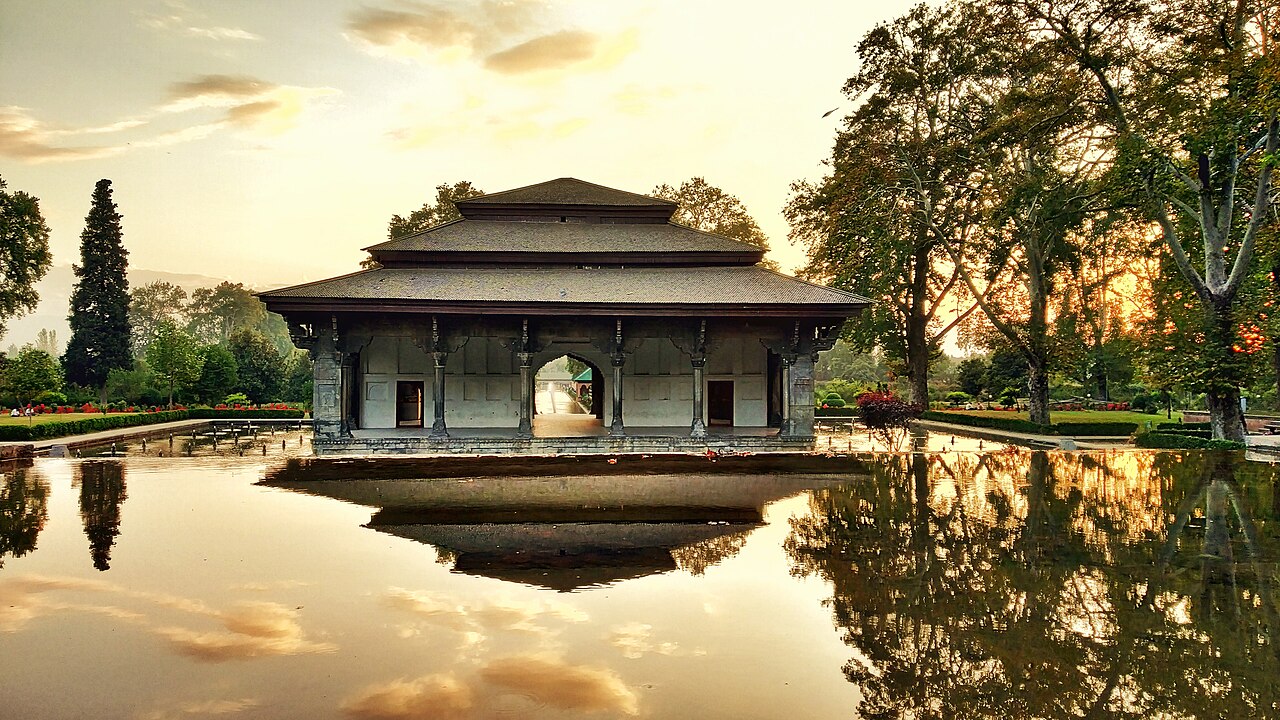
Shalimar Bagh Photo: ANSAR AHMAD · CC BY-SA 4.0 · Wikimedia Commons
c. 1620
Stone tank at Verinag
Jahangir enclosed the spring at Verinag, traditionally the source of the Jhelum, in an octagonal stone tank with arched niches. Shah Jahan added the garden around it.
In the museumVerinag
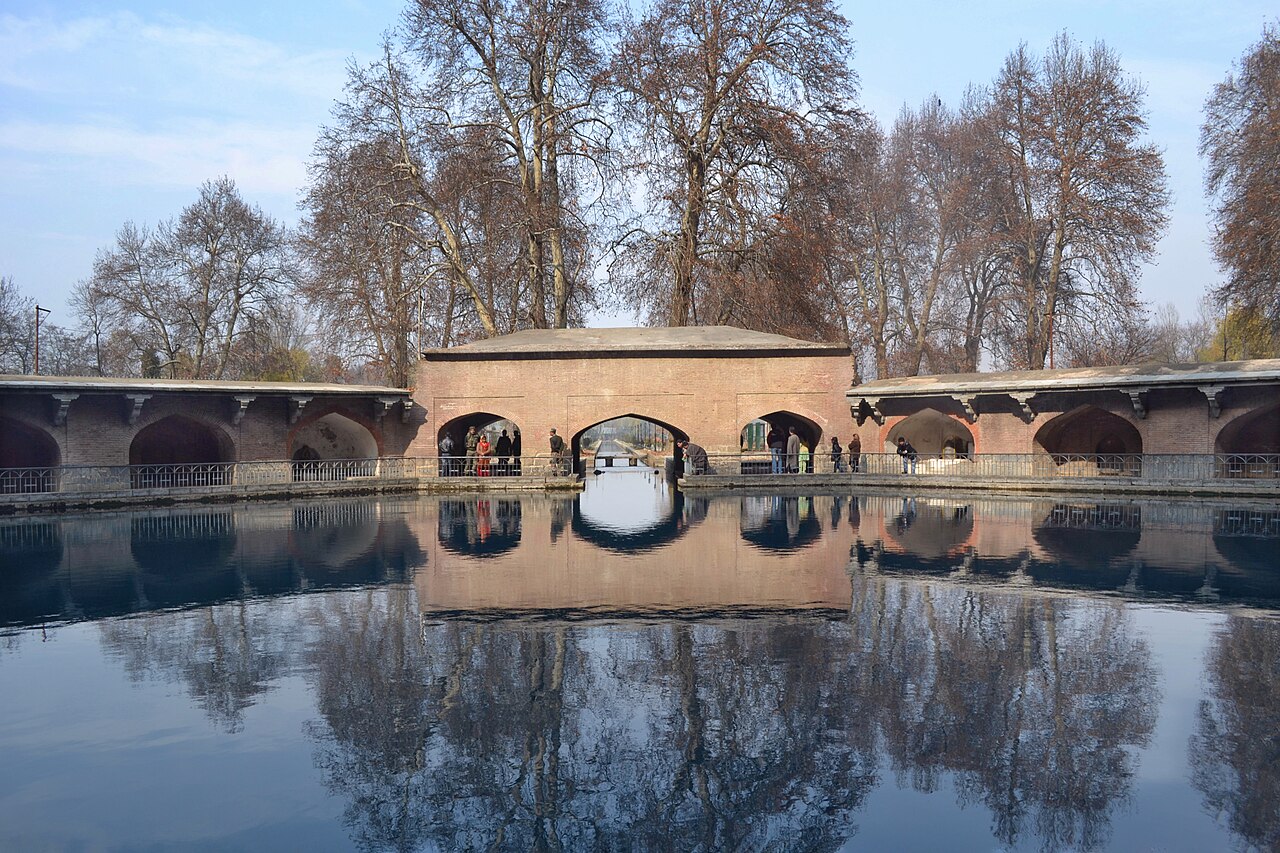
Verinag Photo: Shaurya · CC BY-SA 3.0 · Wikimedia Commons
1632
Chashme Shahi is built
The governor Ali Mardan Khan built Chashme Shahi, the royal spring, for Emperor Shah Jahan. It is the smallest of Srinagar's Mughal gardens.
In the museumChashme Shahi
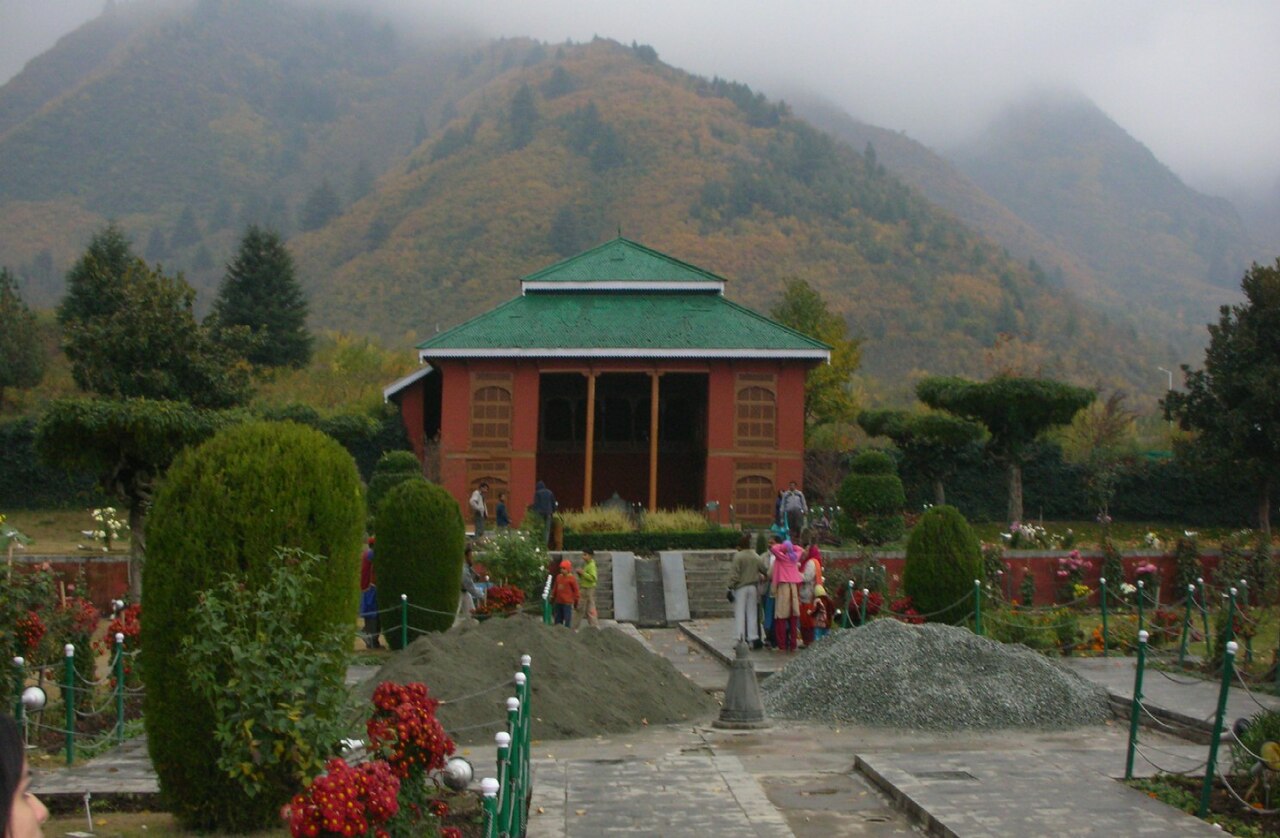
Chashme Shahi Photo: Amitraina at English Wikipedia · Public domain · Wikimedia Commons
c. 1633
Nishat Bagh is built
Asif Khan, Nur Jahan's brother, laid out Nishat Bagh, the garden of delight, in twelve terraces rising from Dal Lake towards the Zabarwan mountains.
In the museumNishat Bagh
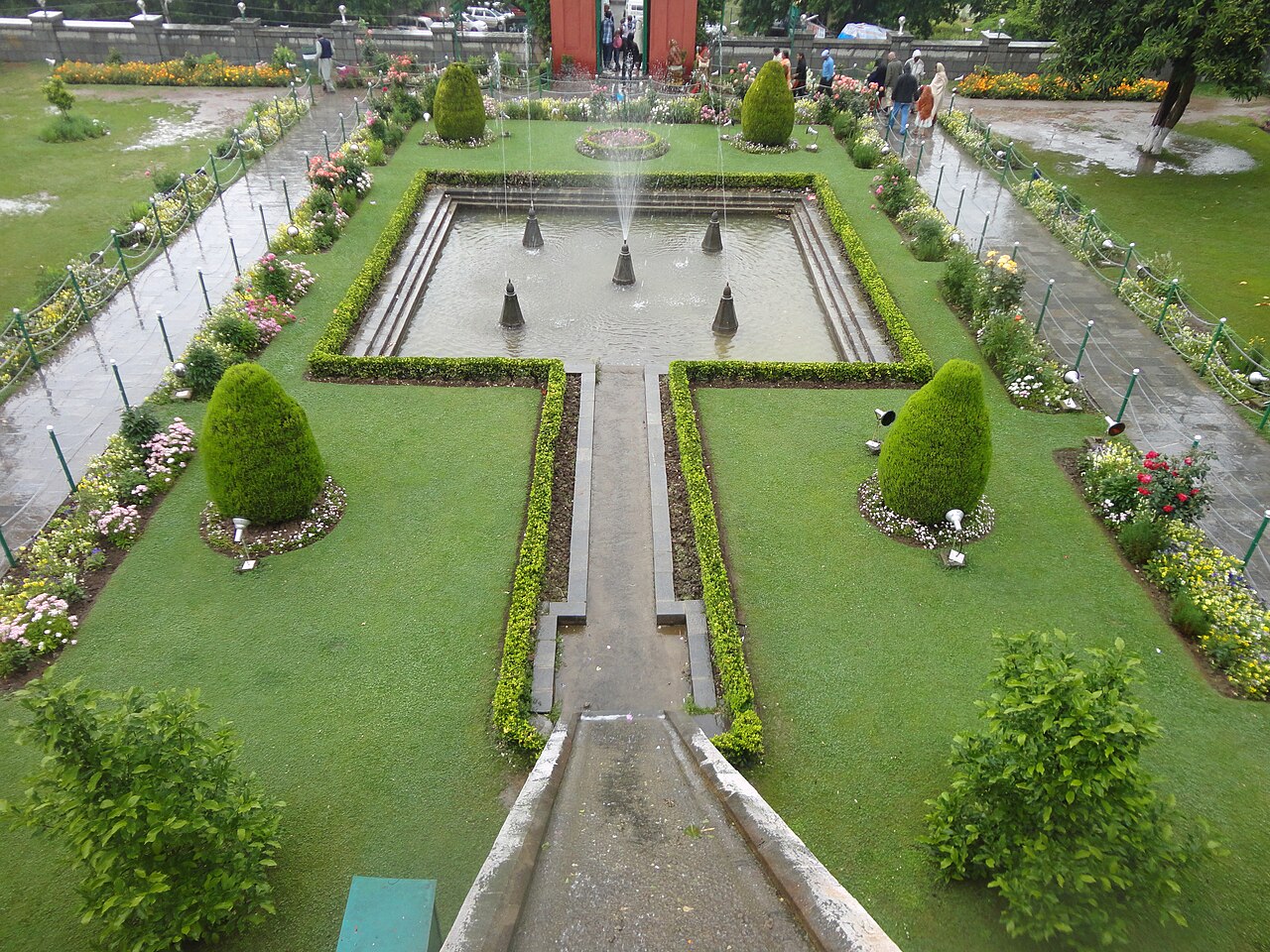
Nishat Bagh Photo: Nishkamrazdan · CC BY-SA 4.0 · Wikimedia Commons
1650s
Dara Shikoh builds Pari Mahal
Prince Dara Shikoh built Pari Mahal, a terraced building above Chashme Shahi, for his Sufi teacher Mulla Shah Badakhshi. It is often described as having served as an observatory and a place of study.
In the museumPari MahalDara Shikoh
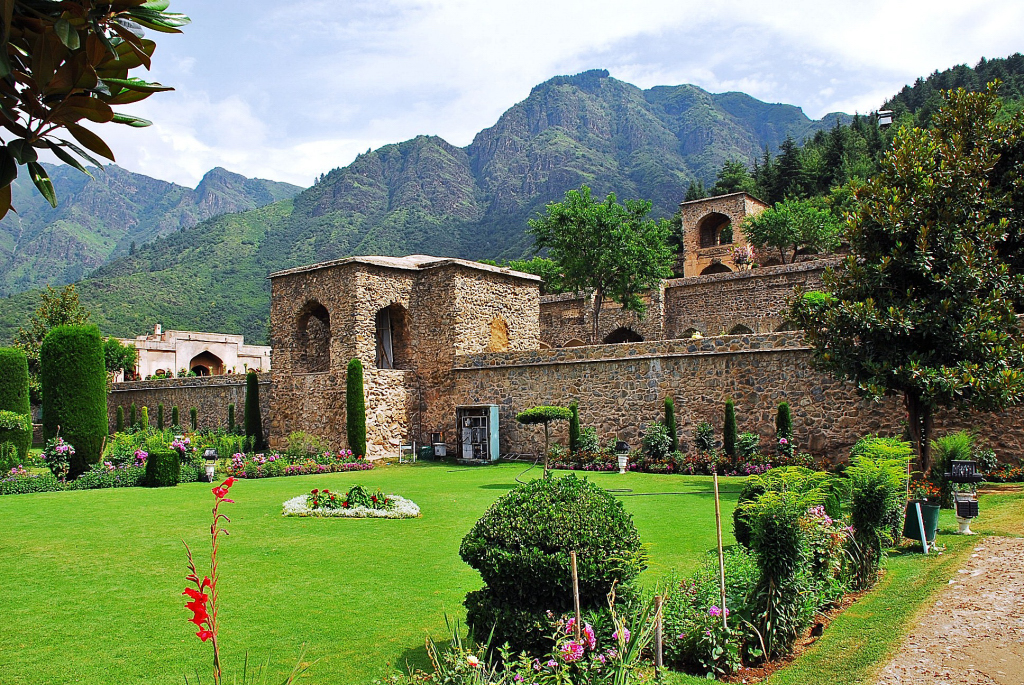
Pari Mahal Photo: Basharat Alam Shah from Chicago, USA · CC BY 2.0 · Wikimedia Commons
c. 1700
The relic comes to Hazratbal
A relic venerated as a hair of the Prophet Muhammad was brought to Kashmir around 1700 and later housed at Hazratbal, on the western shore of Dal Lake, which became the Valley's most important shrine.
In the museumHazratbal Shrine
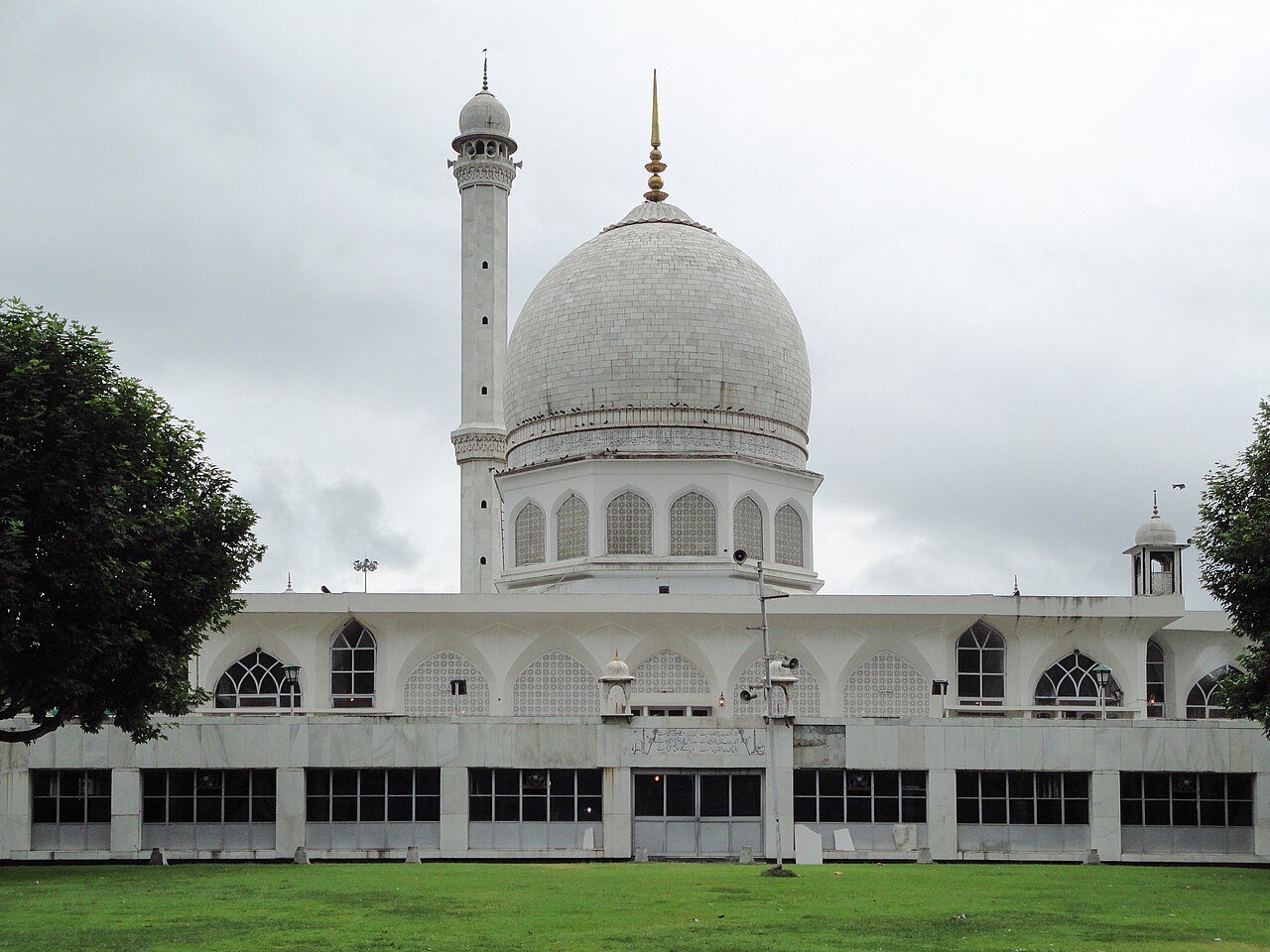
Hazratbal Shrine Photo: Hardikmodi · CC BY-SA 3.0 · Wikimedia Commons
Period 9
1752 to 1819
Afghan Rule
As Mughal power collapsed, Kashmir was taken by the Durrani Empire of Ahmad Shah Durrani. It was ruled by governors sent from Kabul, a period remembered in Kashmiri tradition for heavy taxation and harsh treatment. The fort that stands on Hari Parbat today was built in these years.
1752
The Afghans take Kashmir
With the Mughal Empire in decline, an army sent by Ahmad Shah Durrani took Kashmir, which was then governed from Kabul for 67 years.
In the museumAhmad Shah Durrani
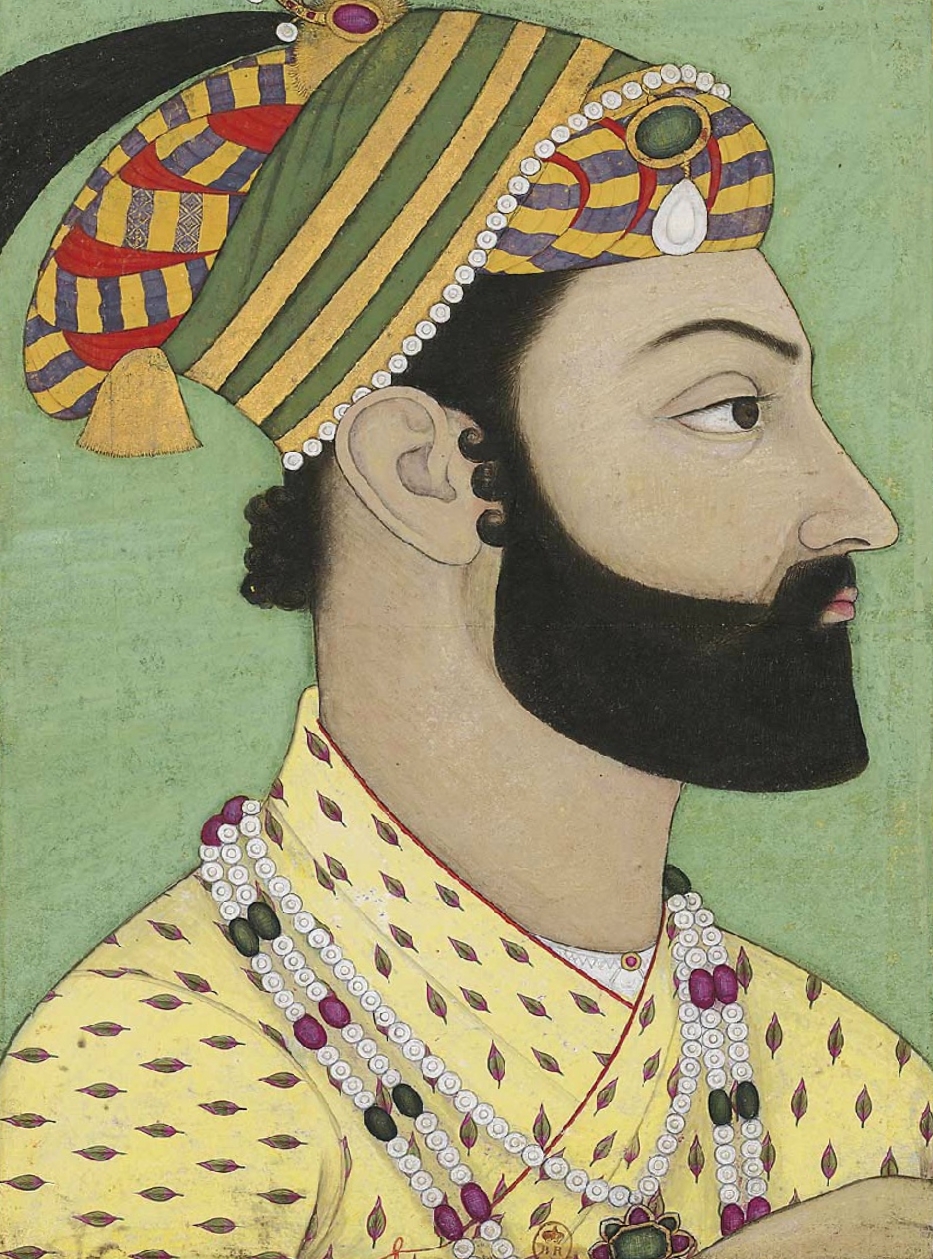
Ahmad Shah Durrani Photo: Unknown author Unknown author · Public domain · Wikimedia Commons
1808
The fort on Hari Parbat
The Afghan governor Atta Muhammad Khan built the fort that stands on the summit of Hari Parbat today, above the older Mughal walls.
In the museumHari Parbat
Hari Parbat Photo: Mohamad Talib Bhat · CC BY-SA 3.0 · Wikimedia Commons
Period 10
1819 to 1846
Sikh Rule
Maharaja Ranjit Singh's army took Kashmir in 1819 and it became part of the Sikh Empire based in Lahore. The period was short and, by most accounts, hard for the Valley's people. It ended after the First Anglo-Sikh War, when the British transferred Kashmir to Gulab Singh.
1819
Sikh forces win at Shopian
In July 1819 the army of Maharaja Ranjit Singh defeated the forces of the last Afghan governor near Shopian, and Kashmir became part of the Sikh Empire.
In the museumMaharaja Ranjit Singh
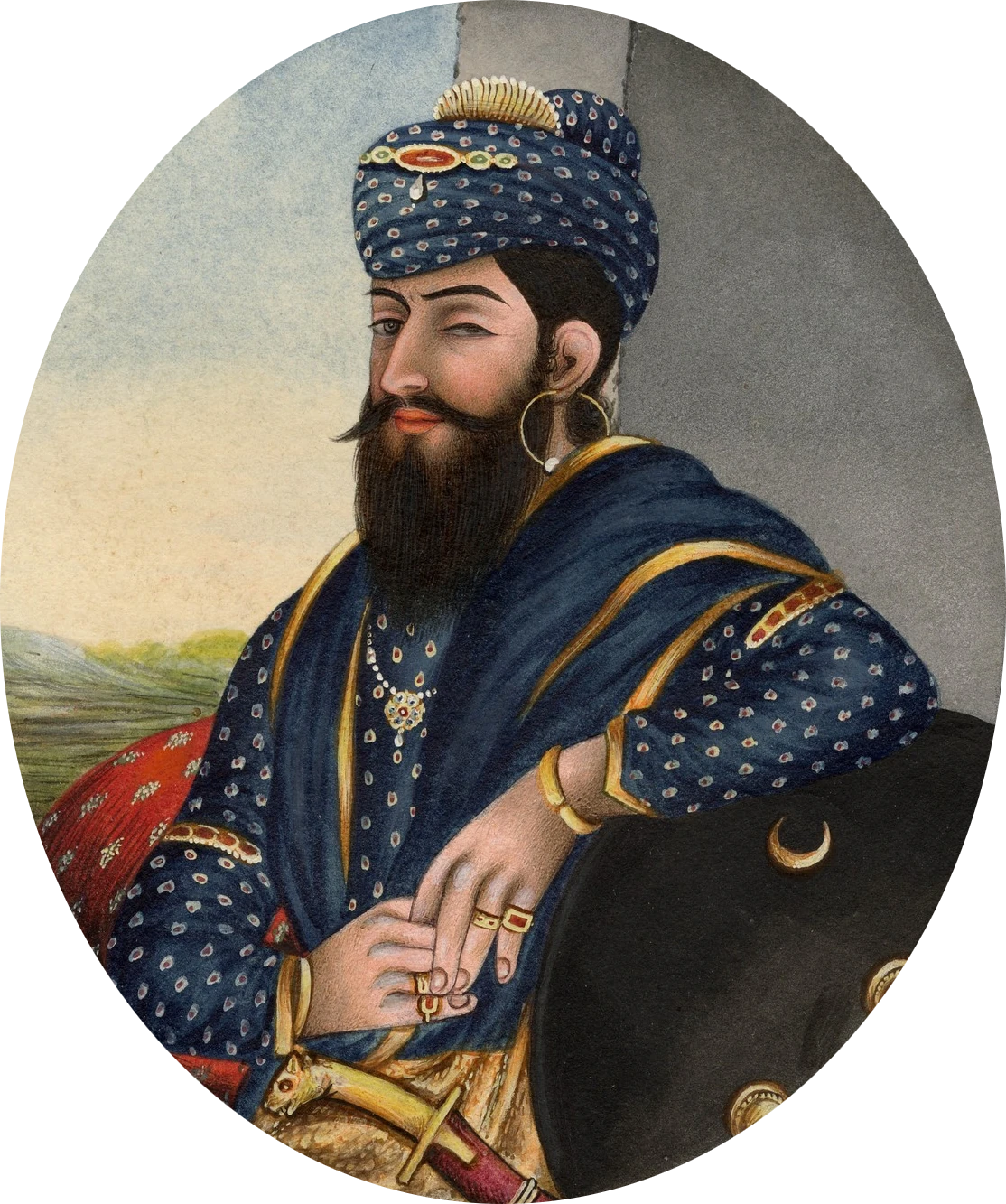
Maharaja Ranjit Singh Photo: Unknown Company School artist · Public domain · Wikimedia Commons
Period 11
1846 to 1947
Dogra Rule
Under the Treaty of Amritsar, Gulab Singh became Maharaja of the new princely state of Jammu and Kashmir. Four Dogra rulers governed until 1947. The period brought roads, a museum and a modern administration, and also famine, heavy taxation and a growing political movement among Kashmir's Muslim majority that shaped everything after.
16 March 1846
The Treaty of Amritsar
After defeating the Sikhs, the British East India Company transferred Kashmir to Gulab Singh, the Dogra ruler of Jammu, in return for 7.5 million rupees. The princely state of Jammu and Kashmir was born.
In the museumMaharaja Gulab Singh
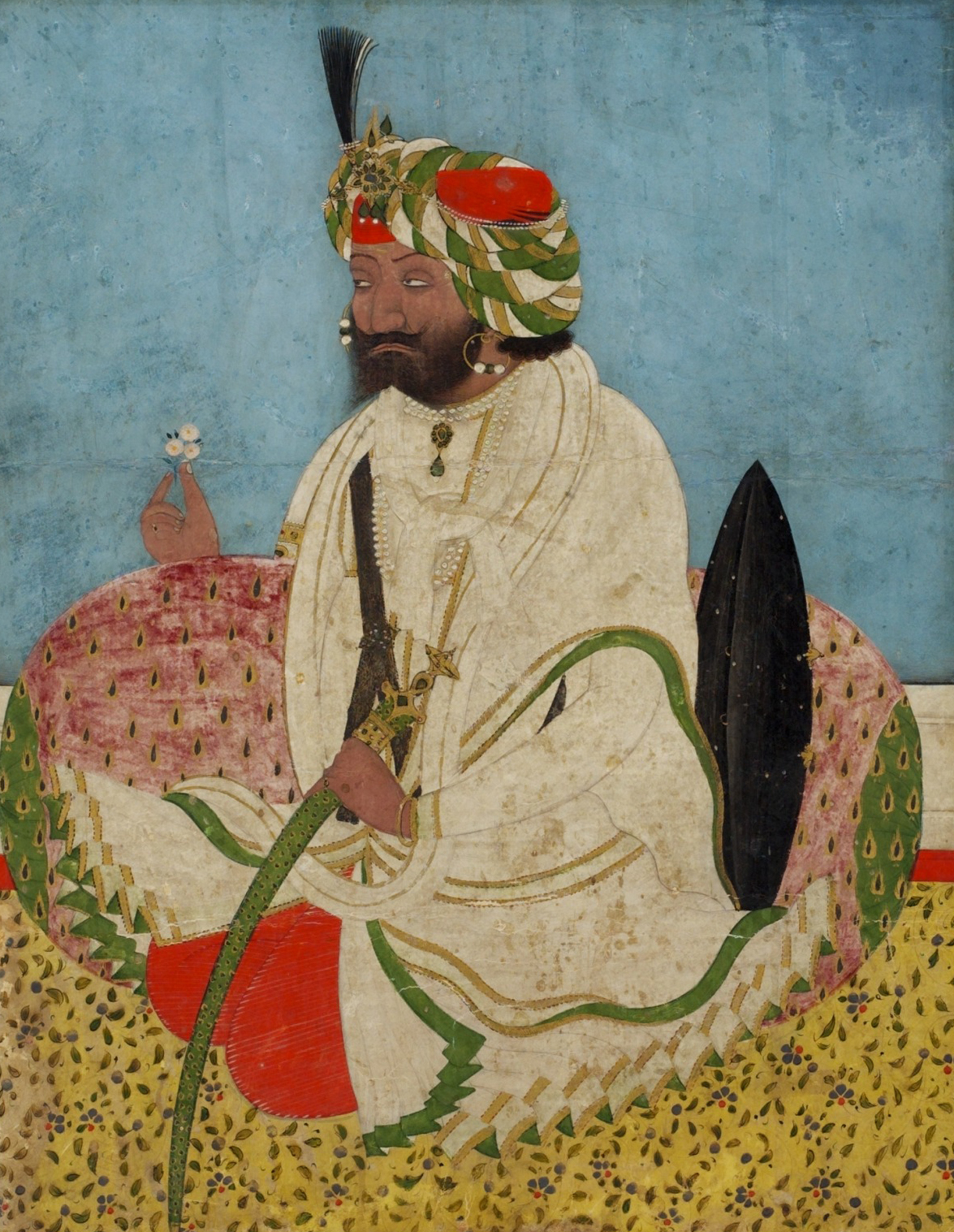
Maharaja Gulab Singh Photo: Unknown (production) · Public domain · Wikimedia Commons
April 1865
The shawl weavers' protest
Shawl weavers in Srinagar protested against crushing taxes on their trade. The protest was put down by force and a number of weavers died, many of them drowned.
In the museumThe Kashmir Shawl
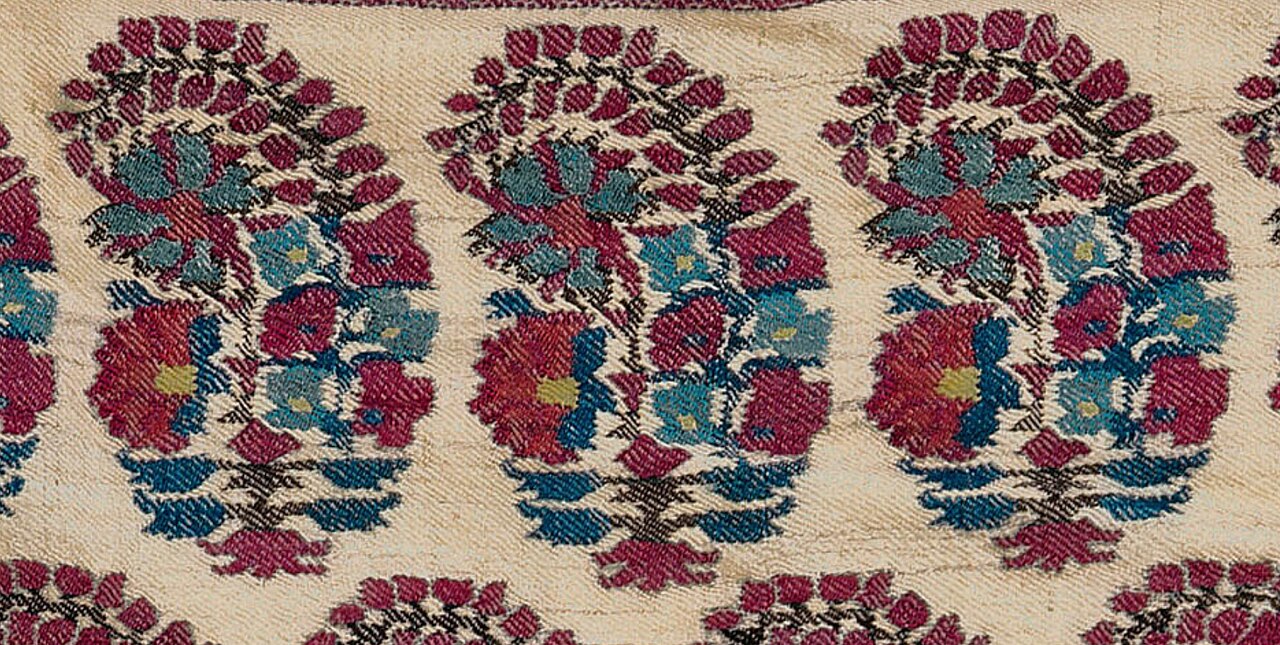
The Kashmir Shawl Photo: Jainamishra · CC BY-SA 4.0 · Wikimedia Commons
1877 to 1879
The great famine
Heavy rains destroyed harvests and a severe famine followed. Contemporary observers believed a large share of the Valley's population died or left.
1898
A museum for Kashmir
The Sri Pratap Singh Museum opened in Srinagar, the first museum in the state, gathering sculpture, coins, manuscripts, textiles and crafts.
In the museumSri Pratap Singh Museum
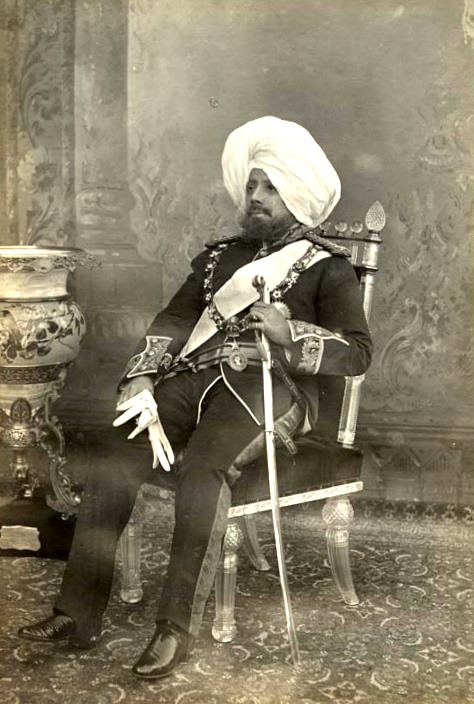
Sri Pratap Singh Museum Photo: Anonymous Unknown author · Public domain · Wikimedia Commons
1925
Hari Singh becomes Maharaja
Hari Singh succeeded his uncle Pratap Singh as the fourth and last Dogra Maharaja.
In the museumMaharaja Hari Singh
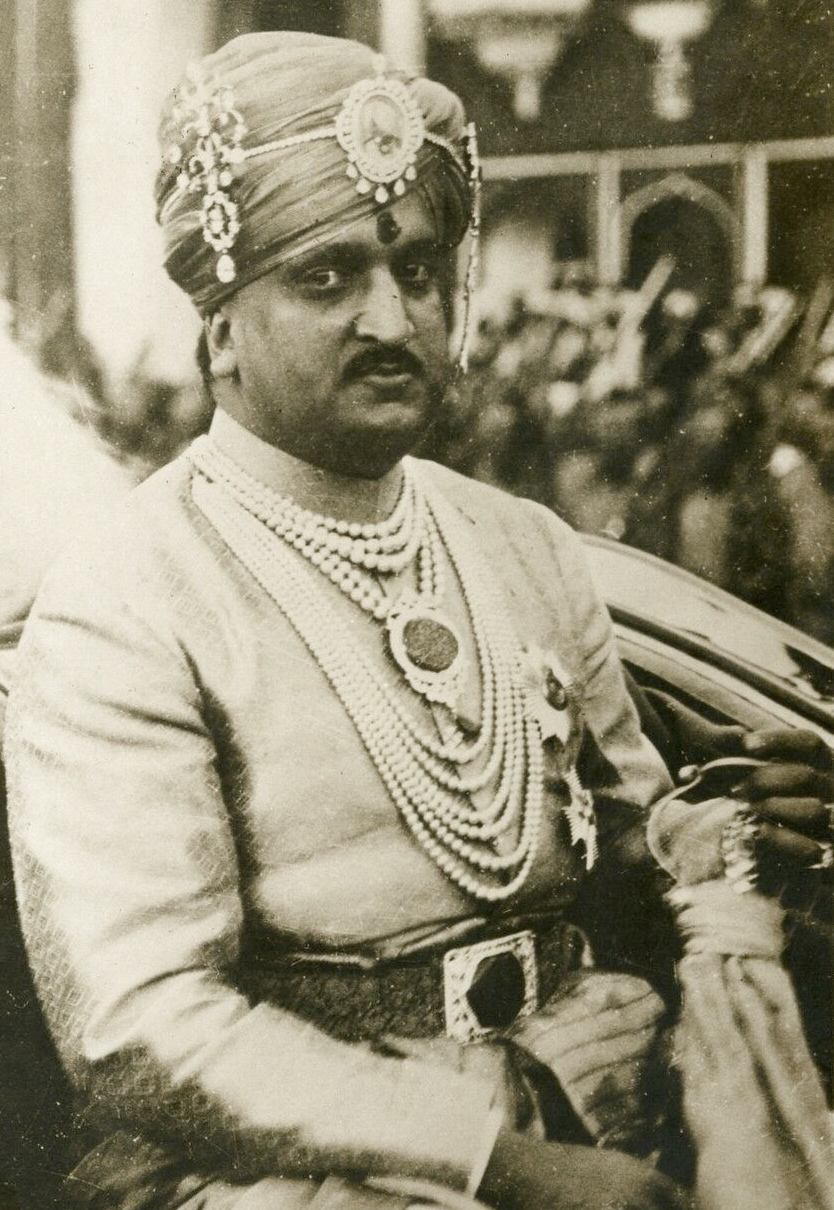
Maharaja Hari Singh Photo: Georges Devred · Public domain · Wikimedia Commons
13 July 1931
Firing outside Srinagar Central Jail
Police fired on a crowd gathered outside the Srinagar Central Jail during the trial of Abdul Qadeer, killing 22 people. The day became a turning point in organised political opposition to Dogra rule.
1932
The Muslim Conference is founded
The All Jammu and Kashmir Muslim Conference was founded with Sheikh Abdullah as its leader. In 1939 most of its leadership renamed it the National Conference and opened it to all communities.
In the museumSheikh Mohammad Abdullah
1946
Quit Kashmir
The National Conference launched the Quit Kashmir movement, demanding an end to Dogra rule. Sheikh Abdullah was arrested and jailed.
In the museumSheikh Mohammad Abdullah
Period 12
1947 to today
Since 1947
Partition left the princely state divided and disputed. Today the wider Kashmir region is administered in parts by India, Pakistan and China, and its status remains one of the world's longest-running disputes. This wing covers the major turning points and marks where accounts differ.
August 1947
Partition
British India was divided into India and Pakistan on 14 and 15 August 1947. Jammu and Kashmir, a princely state with a Muslim majority and a Hindu ruler, did not join either country at first.
October 1947
Invasion and accession
ContestedOn 22 October 1947 armed tribesmen from Pakistan's North-West Frontier Province entered the state. Maharaja Hari Singh signed an Instrument of Accession to India, and Indian troops were flown into Srinagar on 27 October. The first war between India and Pakistan followed.
In the museumMaharaja Hari Singh
Maharaja Hari Singh Photo: Georges Devred · Public domain · Wikimedia Commons
Late 1947
Violence against civilians
ContestedPartition-era killings reached the state in late 1947. Large numbers of Muslims were killed in the Jammu region, and Hindus and Sikhs were killed in places such as Muzaffarabad and Mirpur.
1 November 1947
Revolt in Gilgit
The Gilgit Scouts revolted against the Maharaja's governor, and the Gilgit region came under Pakistani control.
1 January 1949
Ceasefire and a promised vote
A ceasefire arranged by the United Nations ended the first war and left the former state divided along a ceasefire line. UN resolutions called for a plebiscite, a public vote on the state's future, which has never been held.
1949
Article 370
India's constitution included Article 370, which gave Jammu and Kashmir special autonomous status, allowing the state its own constitution and limiting which Indian laws applied there.
August 1953
Sheikh Abdullah is dismissed
Sheikh Abdullah, then Prime Minister of Jammu and Kashmir, was dismissed and arrested. He spent most of the next two decades in detention.
In the museumSheikh Mohammad Abdullah
19 September 1960
The Indus Waters Treaty
India and Pakistan signed a treaty, brokered by the World Bank, dividing the rivers of the Indus basin between them. The Jhelum, the Chenab and the Indus itself were allotted mainly to Pakistan, with limited use permitted upstream in Jammu and Kashmir.
In the museumThe Jhelum
The Jhelum Photo: Myasinilyas · Public domain · Wikimedia Commons
1962
War with China and Aksai Chin
China had built a road across Aksai Chin, on the eastern edge of the former state, in the 1950s. After the 1962 war between India and China, Aksai Chin stayed under Chinese control.
December 1963 to January 1964
The relic disappears
The relic at Hazratbal went missing in December 1963, bringing huge crowds onto the streets across the Valley. It was recovered in early January 1964 and identified as genuine by religious leaders.
In the museumHazratbal Shrine
Hazratbal Shrine Photo: Hardikmodi · CC BY-SA 3.0 · Wikimedia Commons
1965
The second war
India and Pakistan fought a second war over Kashmir. The Tashkent Declaration of January 1966 returned both sides to their earlier positions.
1972
The Line of Control
After the 1971 war, India and Pakistan signed the Simla Agreement. The old ceasefire line became the Line of Control, the de facto border that still divides the region.
1975
Sheikh Abdullah returns
An accord between Indira Gandhi and Sheikh Abdullah brought him back to power as Chief Minister, a post he held until his death in 1982.
In the museumSheikh Mohammad Abdullah
1984
Siachen
India took control of the Siachen Glacier in the far north in 1984, beginning the highest-altitude military standoff in the world.
1987
A disputed election
ContestedThe 1987 state election was widely alleged to have been rigged against a coalition of opposition parties, the Muslim United Front. Many historians see it as a turning point towards armed revolt.
1989 to 1990
Armed insurgency begins
An armed movement against Indian rule took hold in the Valley. Decades of violence followed, with tens of thousands of people killed, among them civilians, militants and members of the security forces.
21 January 1990
Gawkadal
Security forces fired on protesters at the Gawkadal bridge in Srinagar, killing dozens of people. It was one of the deadliest single incidents of the early insurgency.
1990
The Kashmiri Pandits leave the Valley
ContestedAmid targeted killings and threats, the large majority of the Valley's Kashmiri Pandits left their homes in early 1990. Most have not returned.
The 1990s
Living through the conflict
ContestedFor most of the 1990s ordinary life in the Valley was shaped by the conflict. Curfews, strikes, crackdowns and searches were routine, schools and businesses closed for long stretches, weddings and funerals were cut short, and families on all sides lost people. Allegations of killings, disappearances, torture and sexual violence by security forces, and of killings and intimidation by armed groups, date from these years.
1999
Kargil
Fighting broke out on the heights above Kargil after Pakistani forces and militants occupied positions on the Indian side of the Line of Control. India regained the positions after about two months of fighting.
8 October 2005
The earthquake
A powerful earthquake centred near Muzaffarabad killed more than 80,000 people, most of them in Pakistan-administered Kashmir and neighbouring areas, and destroyed whole towns.
2008
The Amarnath land row
A decision to transfer forest land to the board that runs the Amarnath pilgrimage set off large protests in the Valley. When the decision was reversed, counter-protests followed in Jammu, and the highway linking the two regions was blocked for weeks.
In the museumThe Amarnath Cave
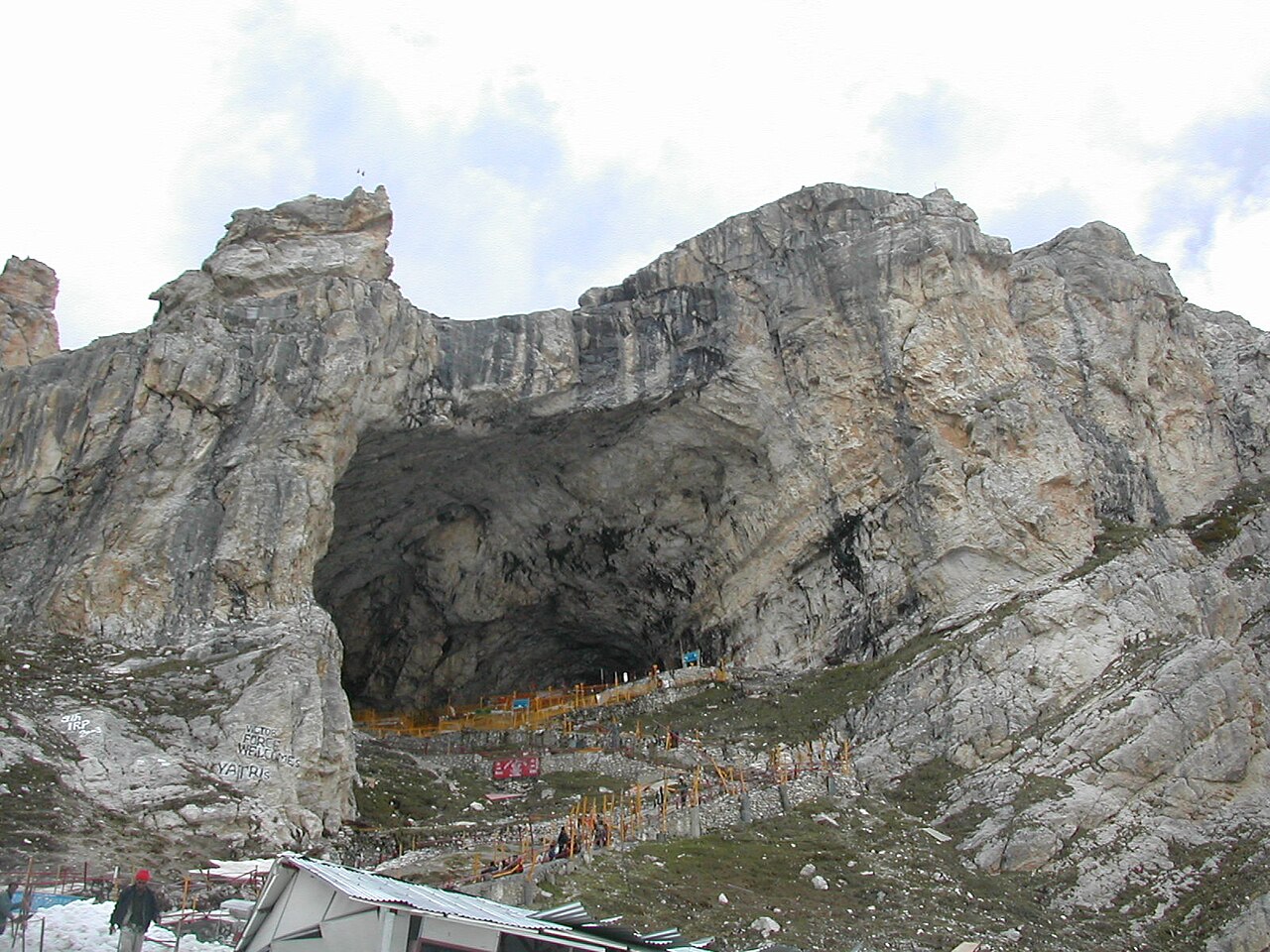
The Amarnath Cave Photo: Gktambe at English Wikipedia · Public domain · Wikimedia Commons
Summer 2010
The summer of 2010
Months of street protests spread across the Valley, met by curfew and by police and paramilitary firing. More than a hundred people were killed, many of them young, and the Valley was largely shut down from June to September.
September 2014
The floods
The Jhelum burst its banks after days of heavy rain, flooding much of Srinagar and large parts of the Valley for weeks.
In the museumThe Jhelum
The Jhelum Photo: Myasinilyas · Public domain · Wikimedia Commons
8 July 2016
Burhan Wani and the 2016 unrest
Security forces killed Burhan Wani, a young Hizbul Mujahideen commander who had built a large following on social media. His funeral drew very large crowds, and months of protest, curfew and shutdown followed. Around ninety people were killed, and the use of pump-action pellet shotguns on crowds left many more injured, including a number blinded.
5 August 2019
Special status revoked
India ended the special status given by Article 370 and split the state into two union territories, Jammu and Kashmir, and Ladakh, which took effect on 31 October 2019. A long communications shutdown followed in the Valley.
14 February 2019
Pulwama and Balakot
A suicide bombing on a convoy at Lethpora in Pulwama district killed forty members of the Central Reserve Police Force. India carried out an air strike at Balakot in Pakistan twelve days later, Pakistan responded, and an Indian pilot was captured and returned within days.
2024
Elections return
Jammu and Kashmir held its first assembly election in ten years. The National Conference won the most seats and formed the government.
April to May 2025
Pahalgam and a brief war
On 22 April 2025 gunmen killed 26 people, most of them tourists, in the Baisaran meadow near Pahalgam. In May India and Pakistan exchanged military strikes for several days before agreeing to a ceasefire on 10 May.
In the museumPahalgam
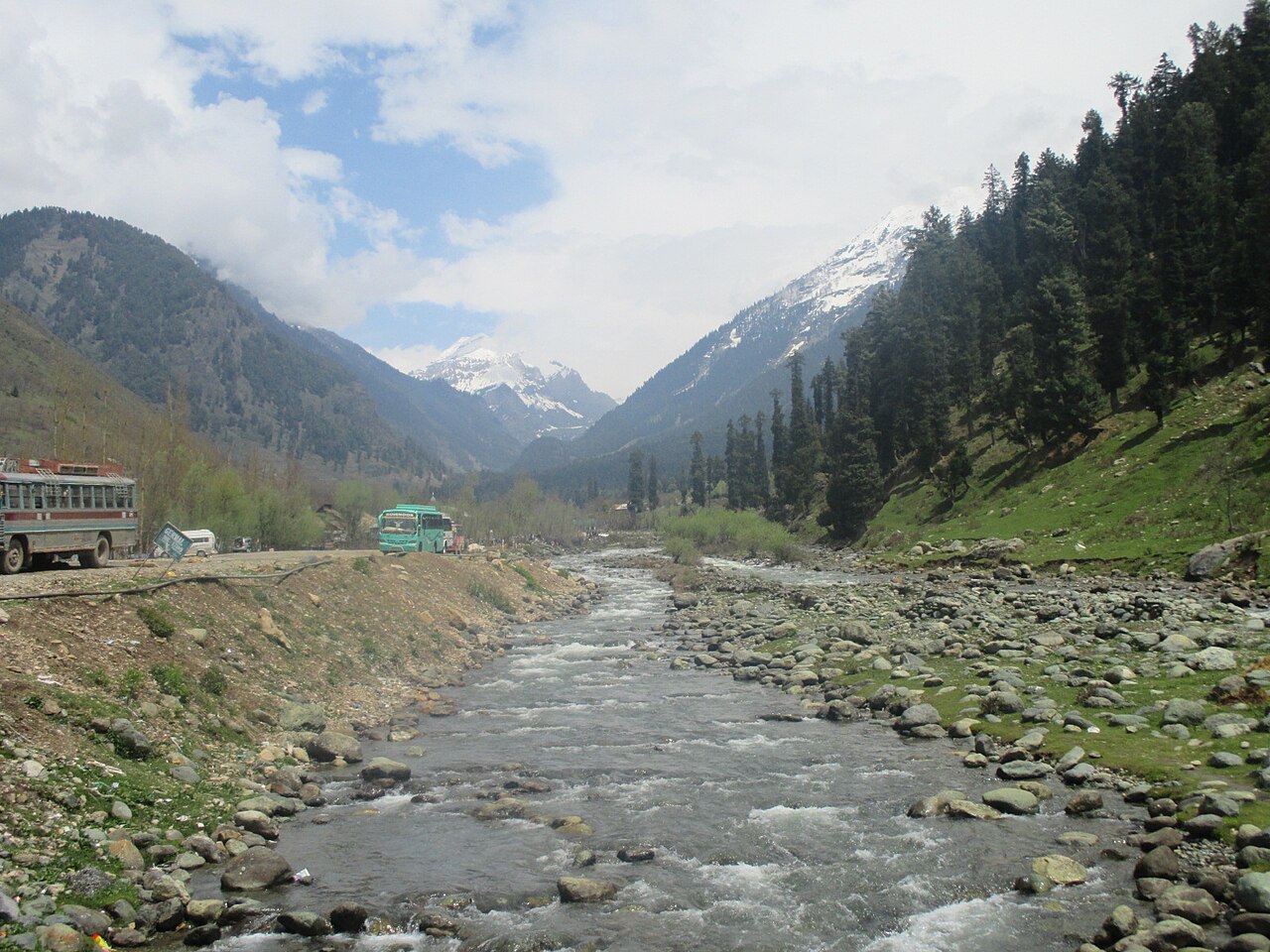
Pahalgam Photo: Billjones94 · CC BY-SA 4.0 · Wikimedia Commons
June 2025
The railway reaches the Valley
A direct rail line connected the Valley to the rest of India's railway network for the first time, crossing the Chenab Rail Bridge, the highest railway arch bridge in the world.
In the museumChenab Rail Bridge
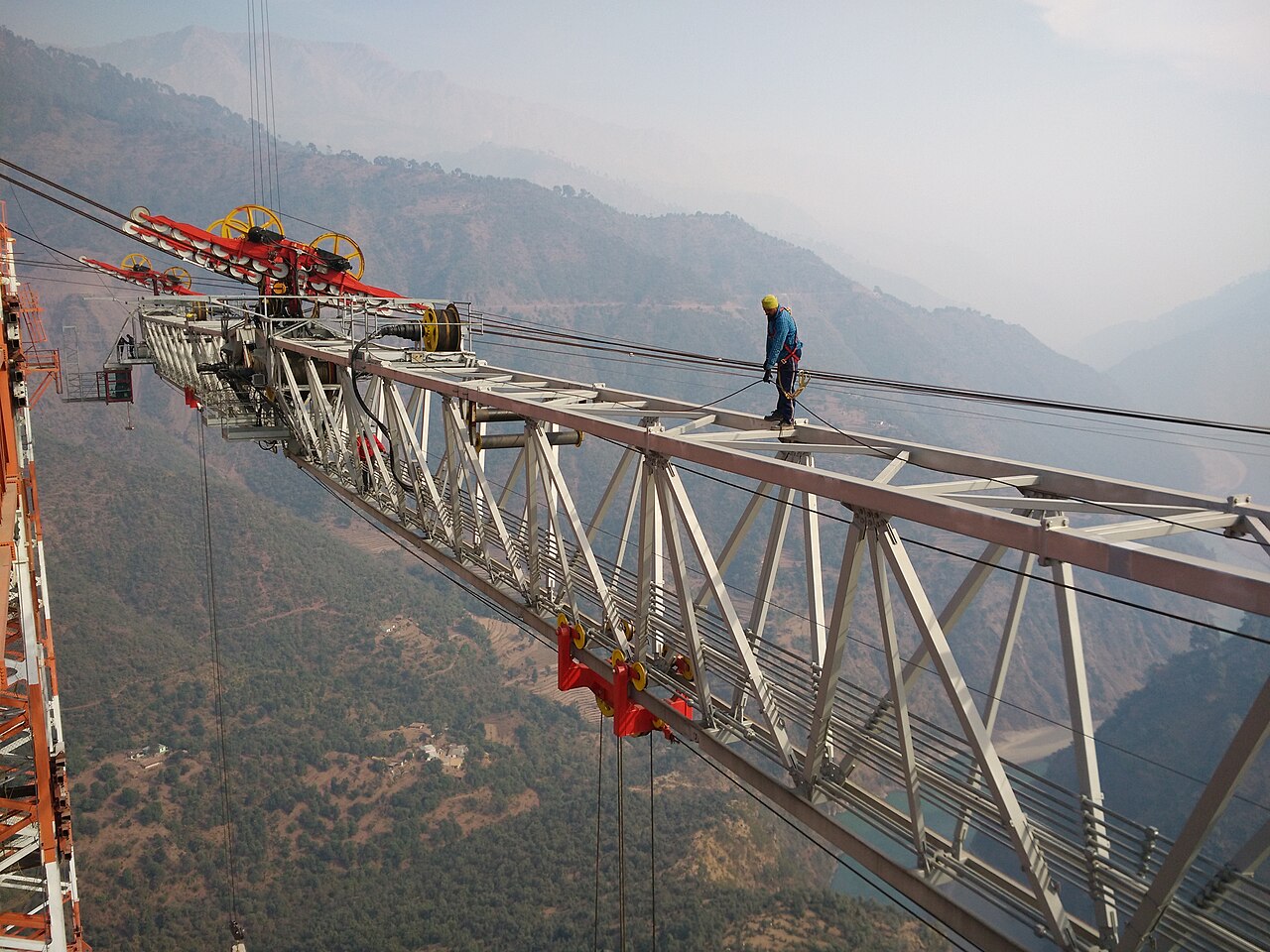
Chenab Rail Bridge Photo: Ojhayogesh · CC BY-SA 4.0 · Wikimedia Commons