Photo: Varun Shiv Kapur from New Delhi, India · CC BY 2.0 · Wikimedia Commons
c. 625 to 855 CE
4 events6 exhibits
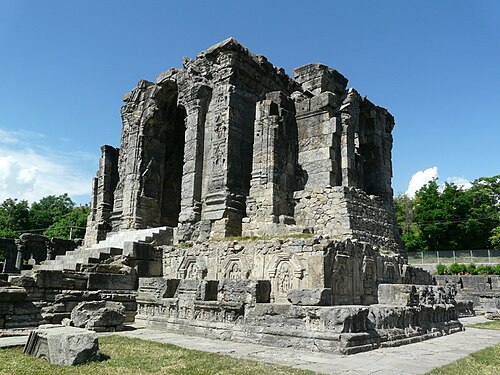
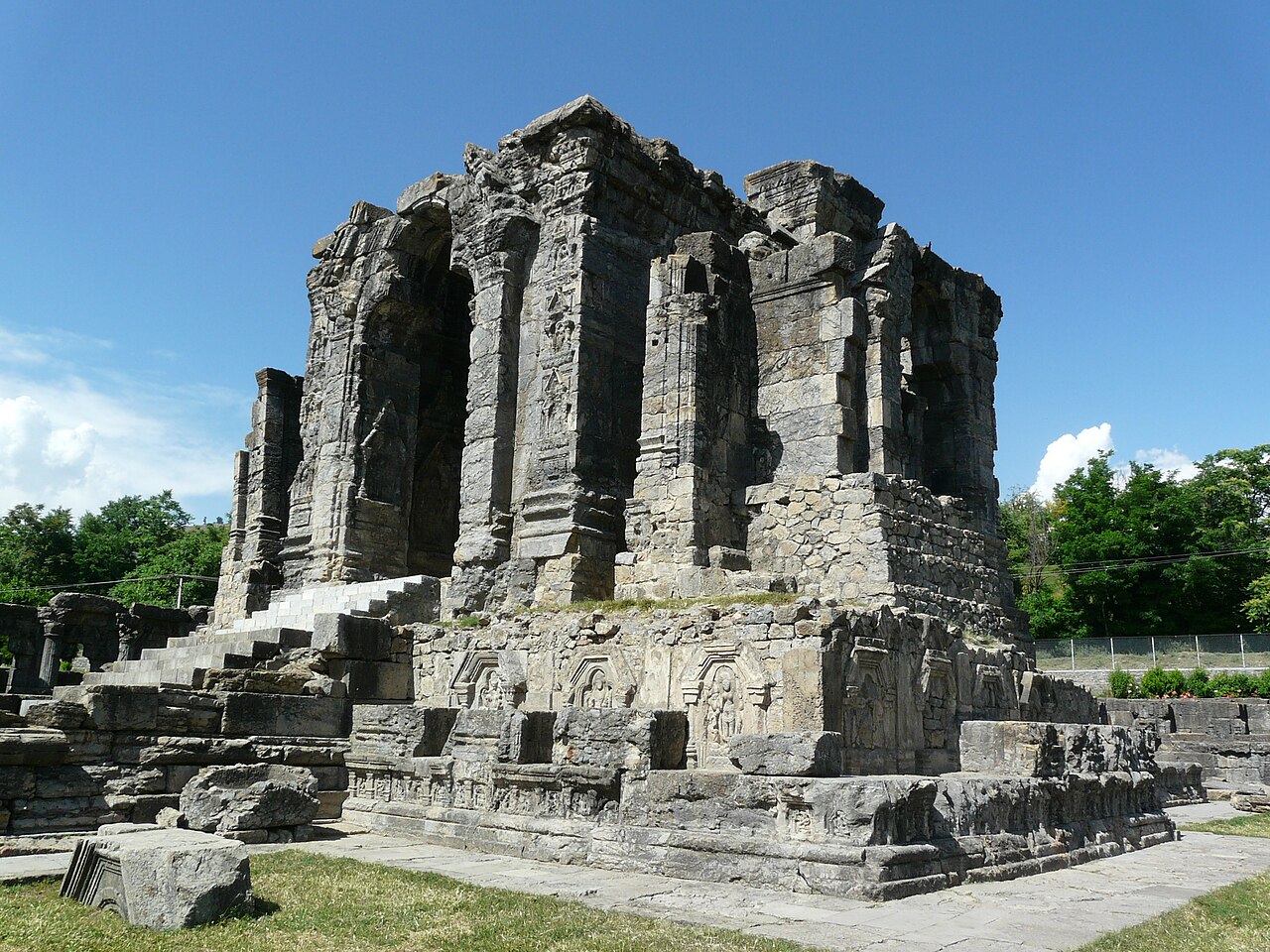
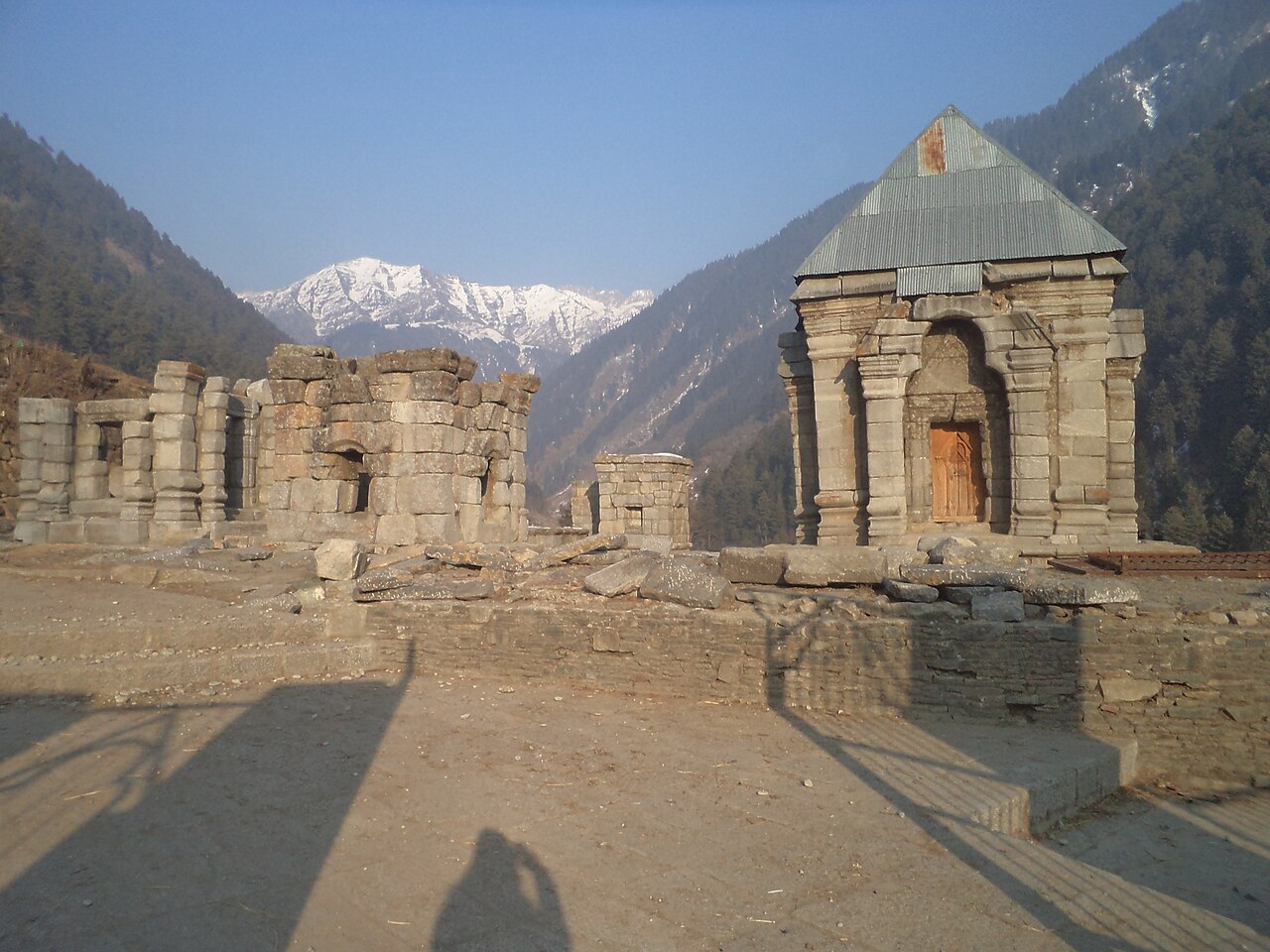
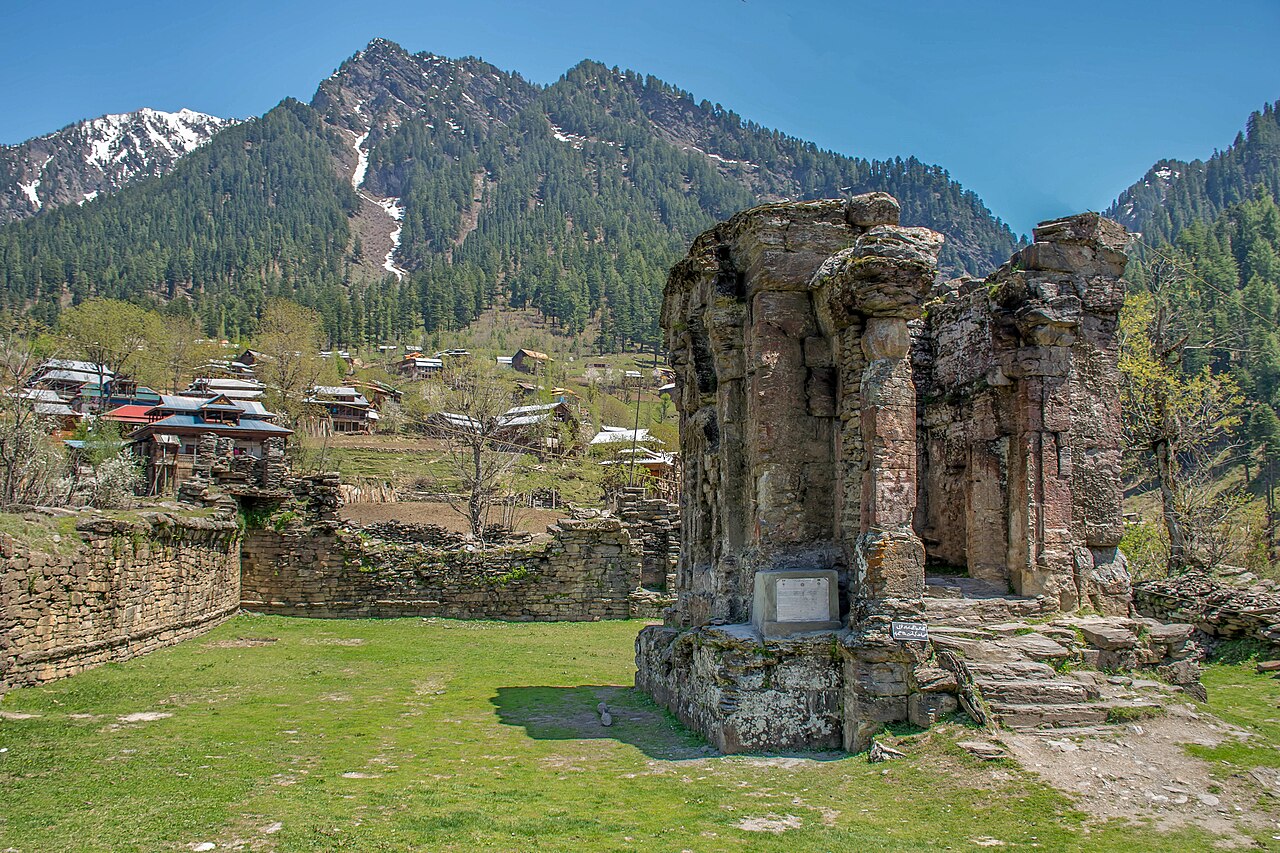
The Karkotas made Kashmir a regional power. Their best-known king, Lalitaditya Muktapida, built the Sun Temple at Martand and a new capital at Parihaspora. Kashmir's distinctive stone temple style, with trefoil arches and steep pyramidal roofs, matured in this period.
Events in this period
c. 625
The Karkota dynasty begins
Durlabhavardhana founded the Karkota dynasty, which would rule Kashmir for more than two centuries.
c. 631
Xuanzang studies in Kashmir
The Chinese Buddhist pilgrim Xuanzang arrived in Kashmir around 631 and spent about two years there studying Buddhist texts with local teachers. His travel account is one of the earliest outside descriptions of the Valley.
In the museumXuanzang
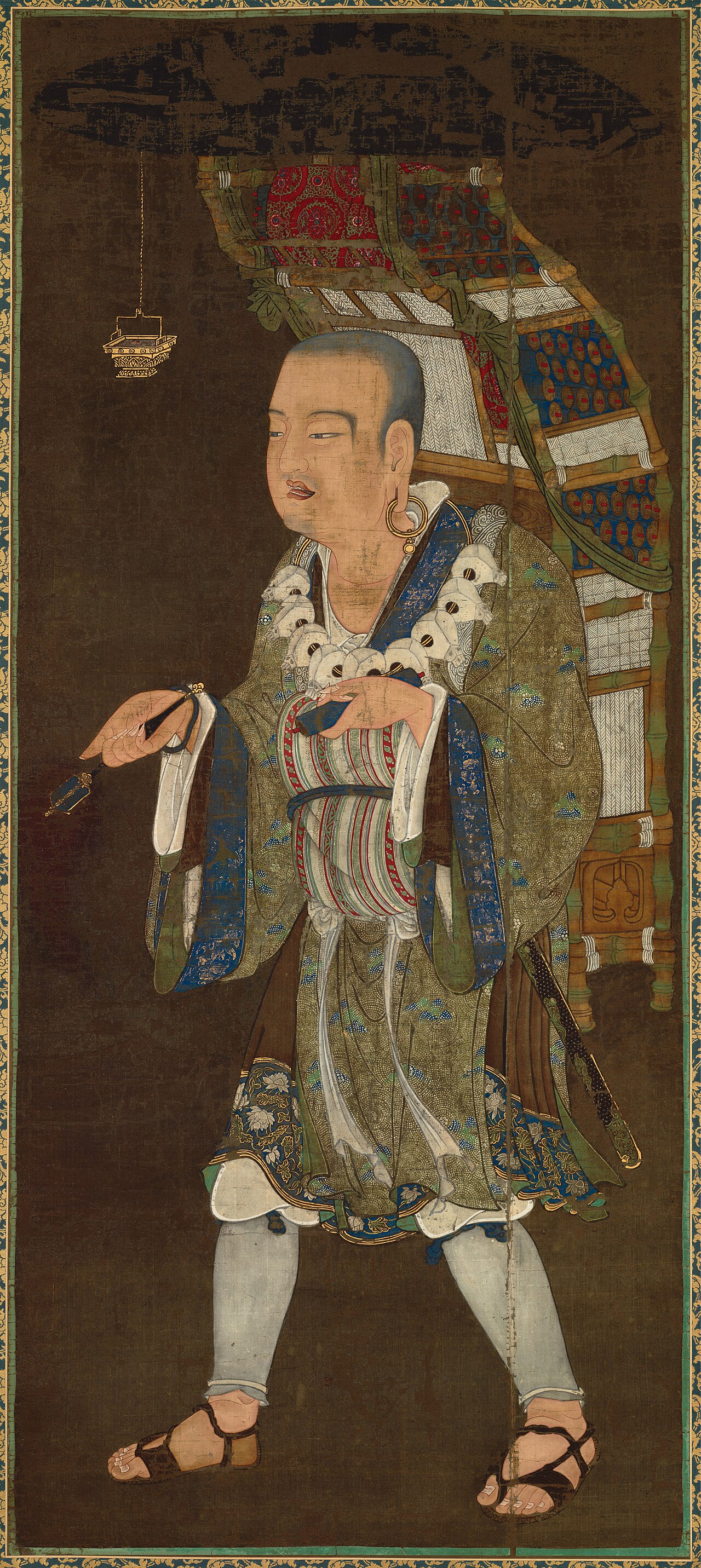
Xuanzang Photo: Unknown author Unknown author · Public domain · Wikimedia Commons
c. 724 to 760
Lalitaditya Muktapida reigns
ContestedLalitaditya was the most powerful Karkota king. Kalhana describes military campaigns far beyond the Valley, as well as great building projects at home.
In the museumLalitaditya MuktapidaMartand Sun TempleParihaspora
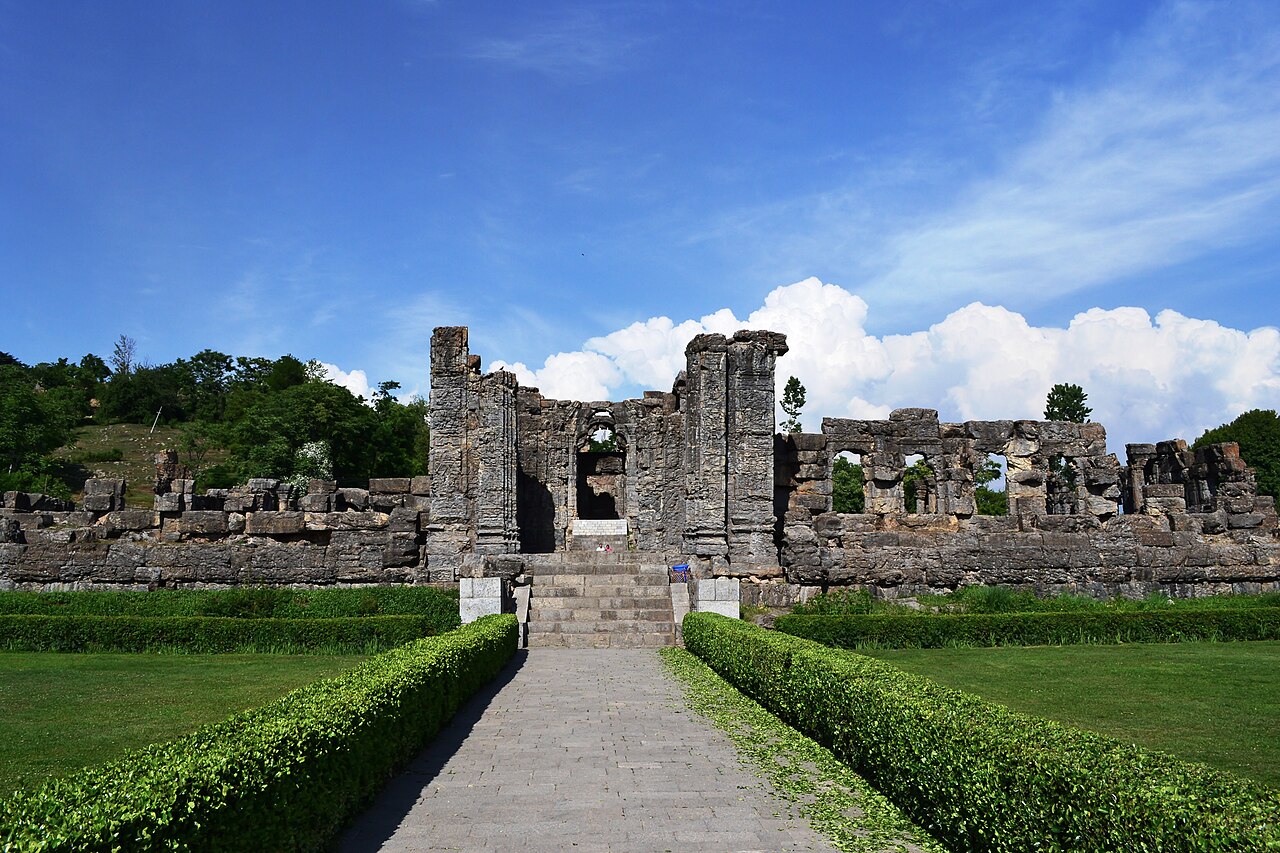
Lalitaditya Muktapida Photo: Shaurya · CC BY-SA 3.0 · Wikimedia Commons
8th century
The Sun Temple at Martand
The great temple to the sun god Surya at Martand, on a plateau near present-day Anantnag, is attributed to Lalitaditya.
In the museumMartand Sun Temple
Martand Sun Temple Photo: Varun Shiv Kapur from New Delhi, India · CC BY 2.0 · Wikimedia Commons
In this wing
6 exhibits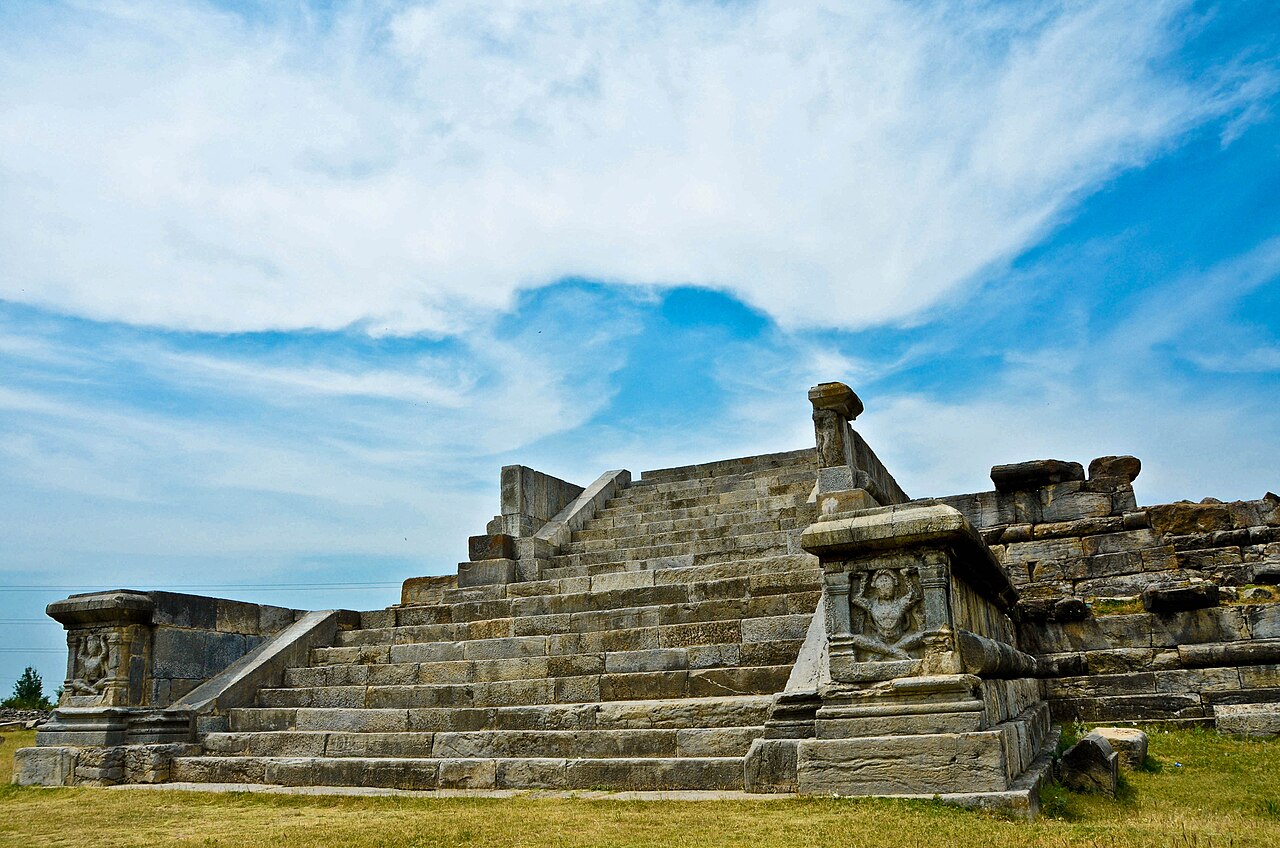
Further reading for this period
Books that cover this period. They are places to read further, not sources for any single sentence on this page.
- Kalhana's Rajatarangini: A Chronicle of the Kings of KashmirM. A. Stein (translator), 1900
- Ancient Monuments of KashmirRam Chandra Kak, 1933