The Land
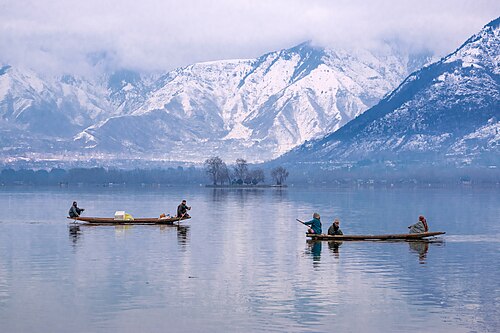
8 exhibitsThe lakes, rivers, meadows and mountains that shaped how people lived in the Valley, and the wildlife that shares it with them.
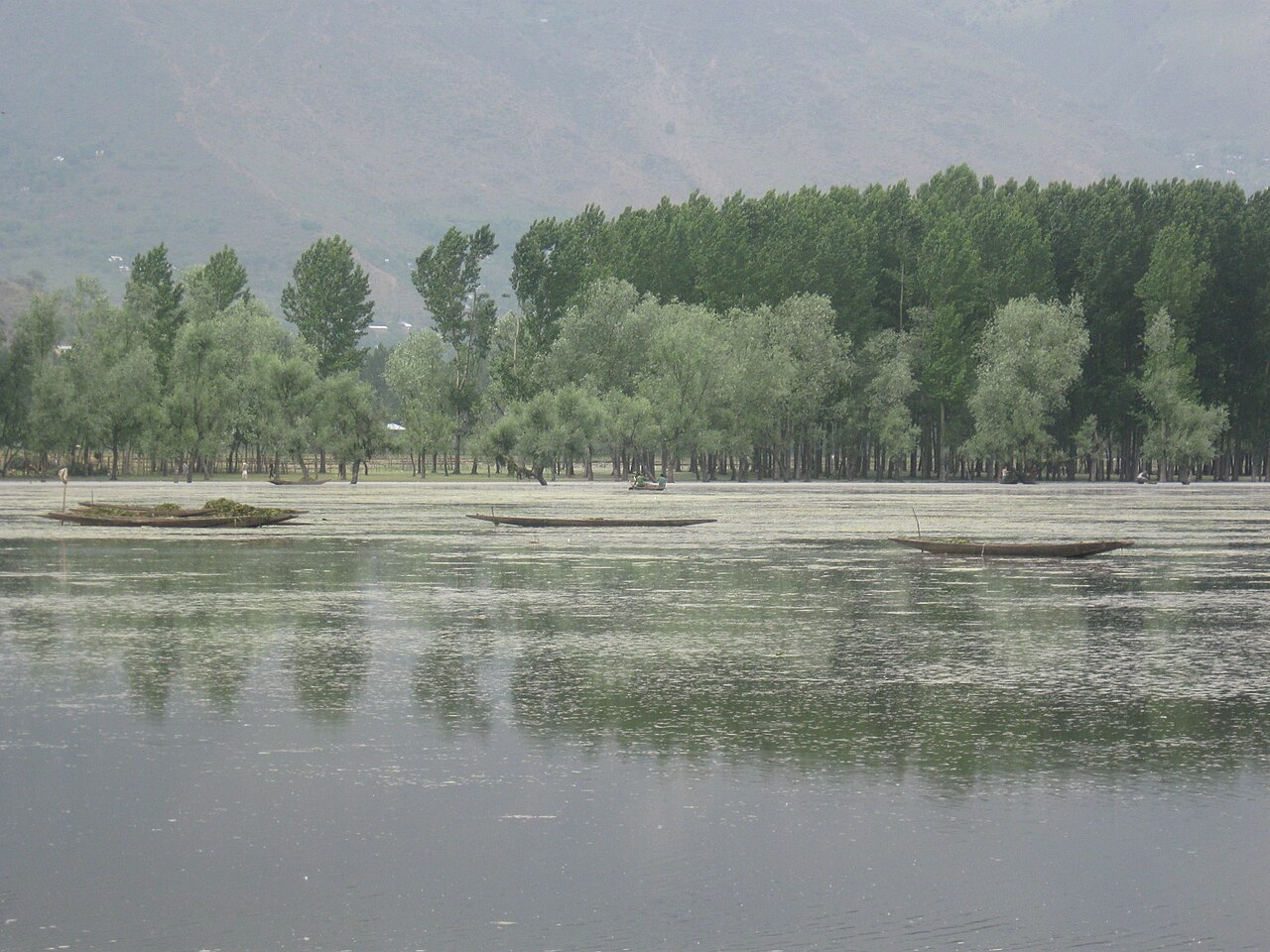
Wular Lake
Photo: Maxx786 · CC BY-SA 3.0 · Wikimedia Commons
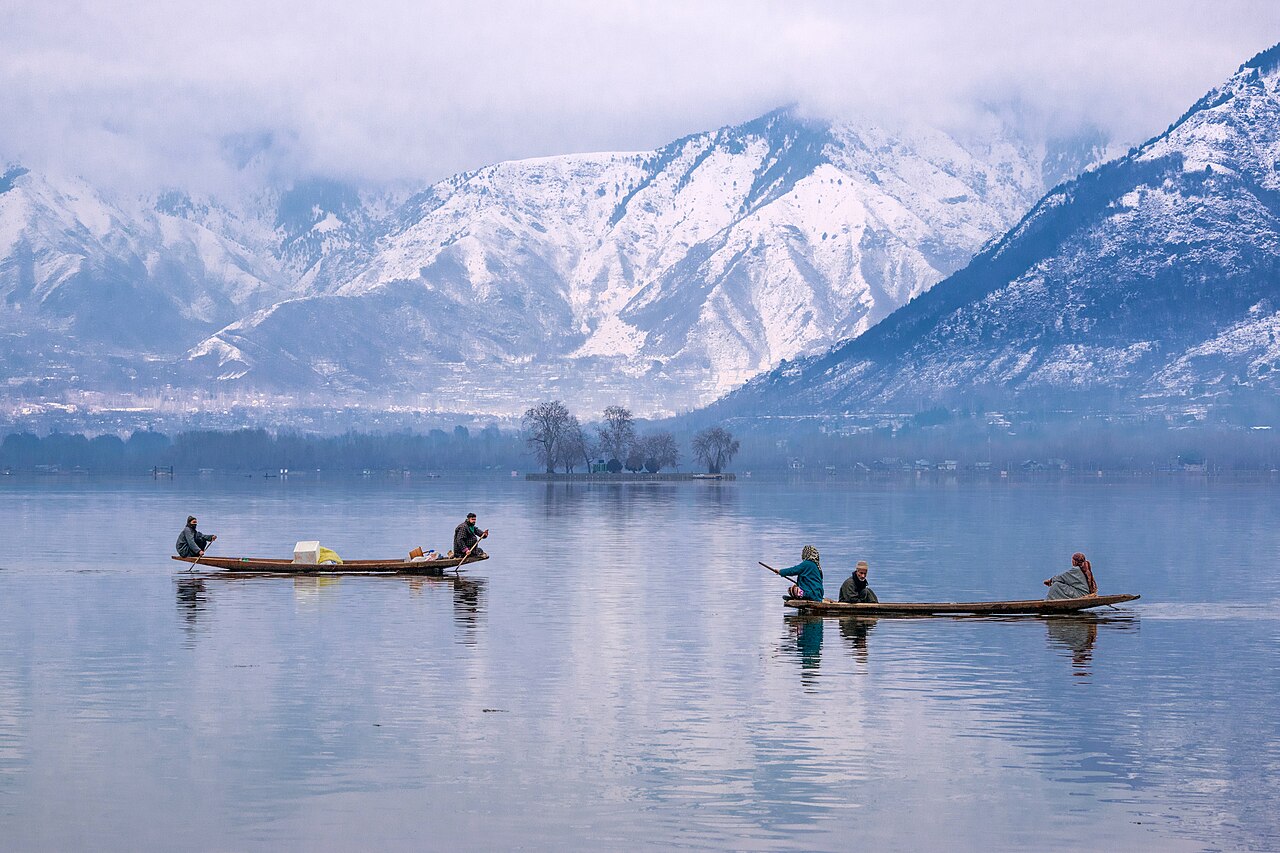
A museum of Kashmir
Photo: Suhail Skindar Sofi · CC BY-SA 4.0 · Wikimedia Commons
Walk through 12 periods of history, 76 events and 93 exhibits, in a building you can move around.
The museum is a building you walk through, so it needs a mouse and a keyboard and will not run on a phone. Everything inside it is on these pages, photographs included.
Or read it as a timelineEvery period of Kashmir's history has a wing, and two halls run across all of them. Each item says how firmly it is known, each photograph names its photographer and licence, and anything without a freely licensed photograph is left empty rather than filled with a picture of something else.
The Kashmir Valley and, where history requires it, the wider region of the former princely state of Jammu and Kashmir.
Period 1 of 12
c. 3000 to 1000 BCE
People were living in the Valley by about 3000 BCE. At Burzahom and Gufkral they first lived in pits dug into the raised plateaus called karewas, and later in houses of mud brick. The karewas themselves are old lake beds, which fits the story told in Kashmir's early texts that the Valley was once a great lake.
c. 3000 to 1000 BCE
Period 2 of 12
c. 300 BCE to 625 CE
Kashmir became a major centre of Buddhist learning, linked to the Mauryan and Kushan empires and to the trade routes of Central Asia. Monasteries and terracotta-tiled courtyards at sites like Harwan date from these centuries. In the 6th century the Valley came under the Huns, remembered through the ruler Mihirakula.
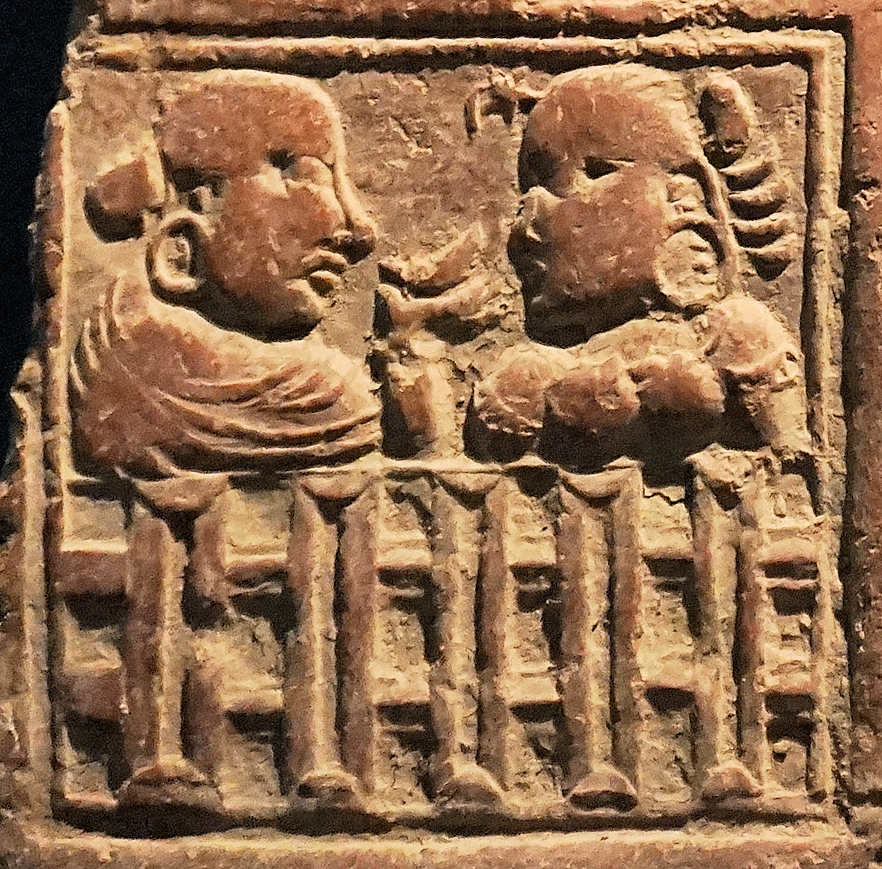
Photo: Deepank Ranka · CC BY 3.0 · Wikimedia Commons
Period 3 of 12
c. 625 to 855 CE
The Karkotas made Kashmir a regional power. Their best-known king, Lalitaditya Muktapida, built the Sun Temple at Martand and a new capital at Parihaspora. Kashmir's distinctive stone temple style, with trefoil arches and steep pyramidal roofs, matured in this period.
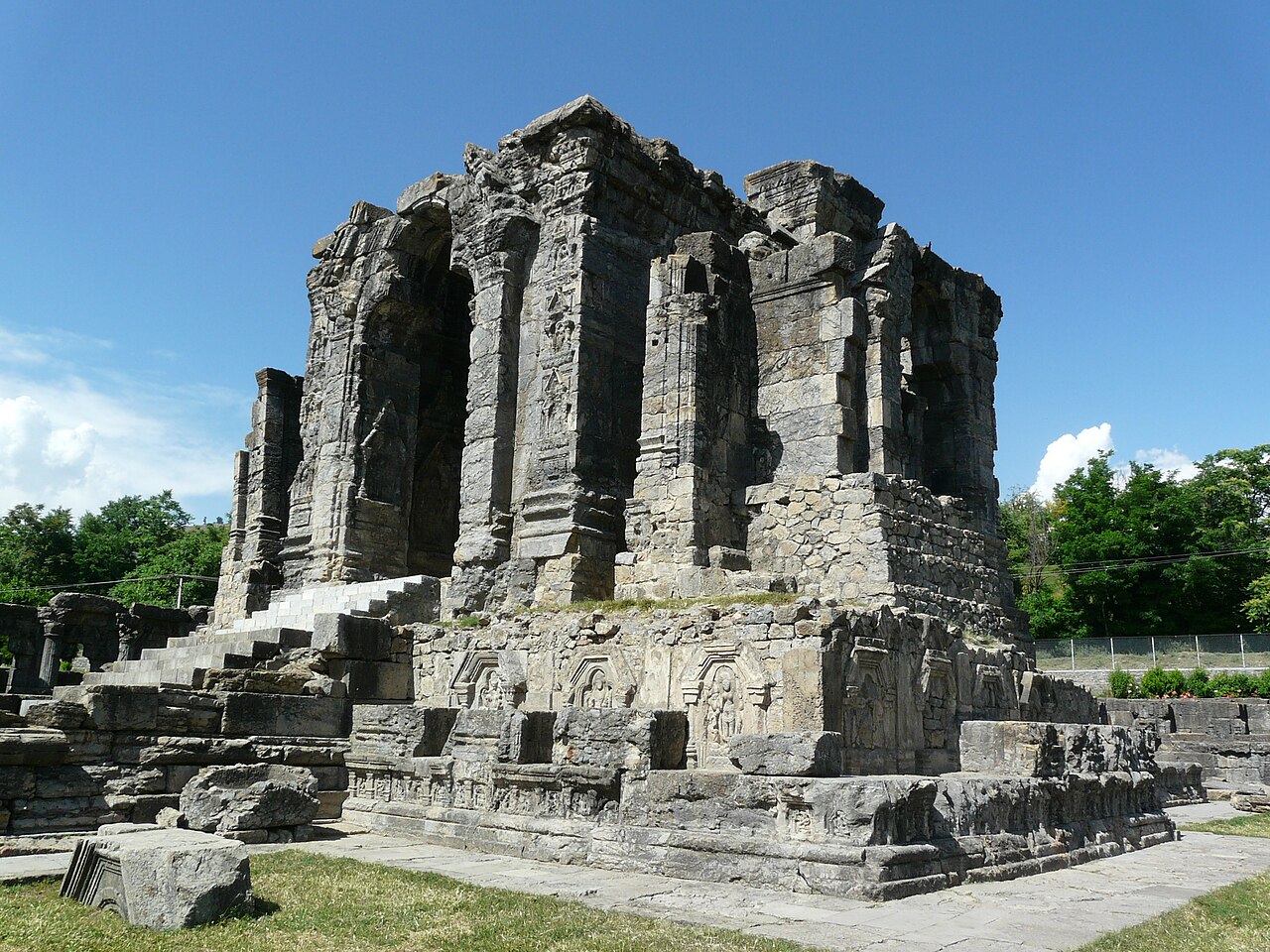
Photo: Varun Shiv Kapur from New Delhi, India · CC BY 2.0 · Wikimedia Commons
Period 4 of 12
855 to 939 CE
Avantivarman founded the Utpala dynasty and a new town, Avantipura, with two great temples. His engineer Suyya reshaped the Jhelum's course to control floods and open new farmland. Kashmir's reputation as a centre of Sanskrit learning grew stronger through these years.
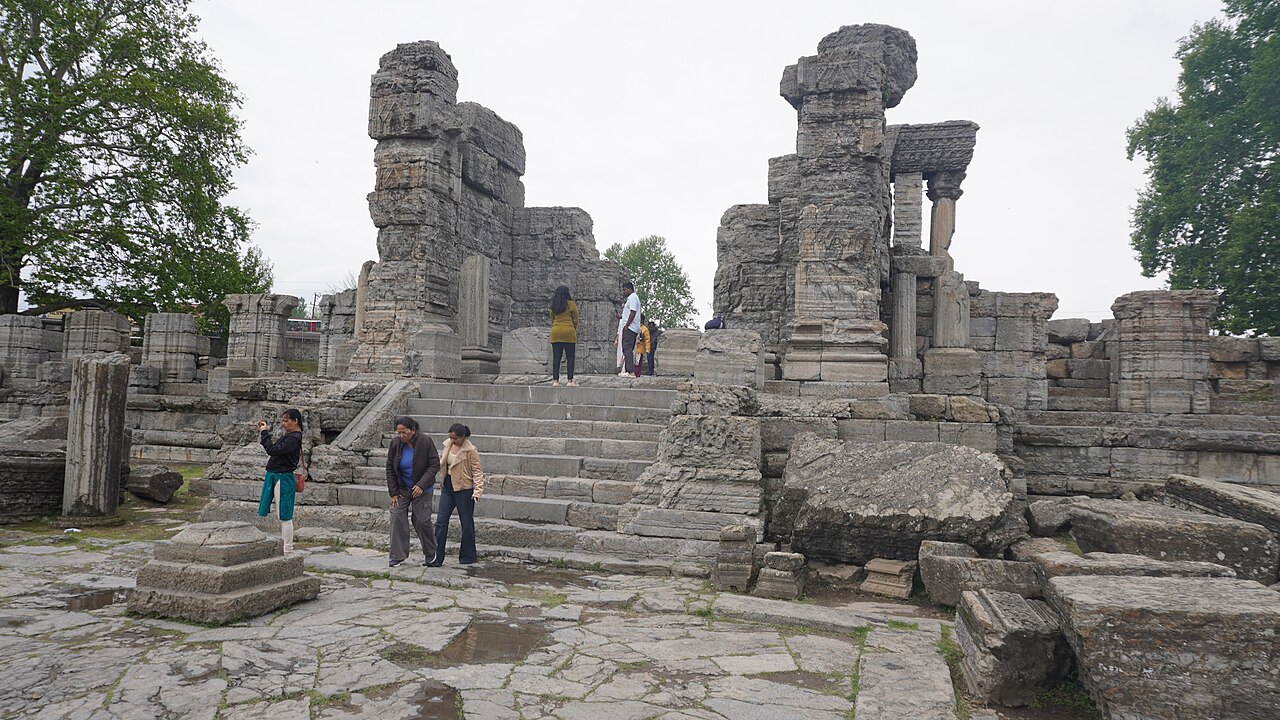
Photo: Harvinder Chandigarh · CC BY 4.0 · Wikimedia Commons
Period 5 of 12
939 to 1339 CE
Four turbulent centuries that produced some of Kashmir's greatest minds. Queen Didda ruled for decades, her family founded the Lohara dynasty, and philosophers like Abhinavagupta wrote works still studied today. Kalhana wrote his chronicle of Kashmir's kings in 1148. The period ended with a devastating raid in 1320, the brief rule of Rinchan, and Kota Rani, the last Hindu ruler.
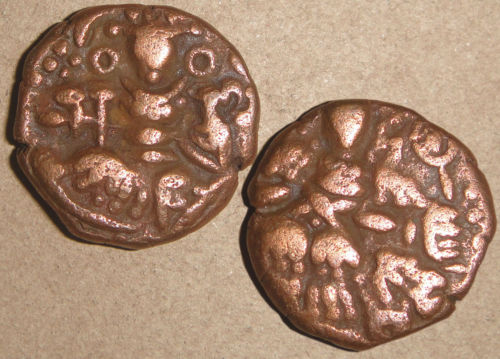
Photo: Old India Coins · CC BY-SA 4.0 · Wikimedia Commons
Period 6 of 12
1339 to 1561
Shah Mir founded a sultanate that lasted over two centuries. Islam spread through the Valley, carried by Sufi teachers from Central Asia and Persia and by Kashmir's own Rishi order. Sultan Zain-ul-Abidin, remembered as Budshah, the great king, is celebrated for religious tolerance and for encouraging crafts, learning and public works.
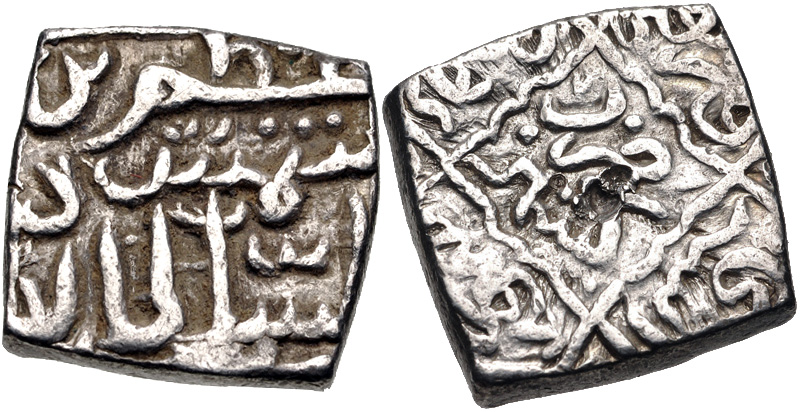
Photo: CNG Coins · CC BY-SA 3.0 · Wikimedia Commons
Period 7 of 12
1561 to 1586
The Chaks, a Kashmiri family, took power from the last Shah Mir sultans. Their short rule is remembered through Yusuf Shah Chak and the poet Habba Khatoon, and it ended when the Mughal emperor Akbar annexed Kashmir in 1586.
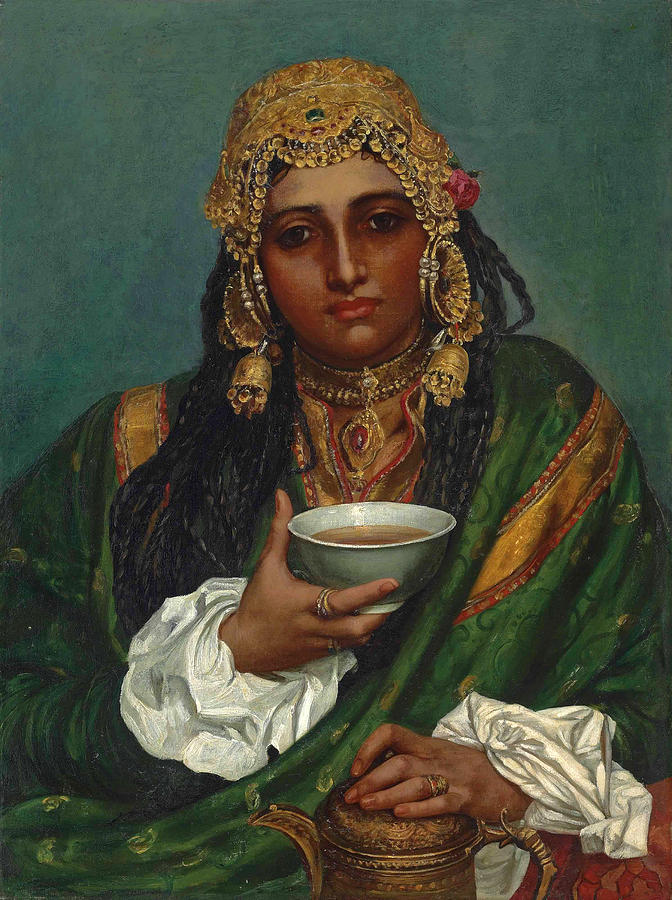
Photo: Valentine Cameron Princep · CC0 · Wikimedia Commons
Period 8 of 12
1586 to 1752
Kashmir became the Mughal emperors' summer retreat. Jahangir, Nur Jahan, Shah Jahan and Dara Shikoh laid out terraced gardens fed by mountain springs, including Shalimar, Nishat and Chashme Shahi, and built mosques and pavilions around Dal Lake. Kashmir was governed as a province of the empire from distant capitals.
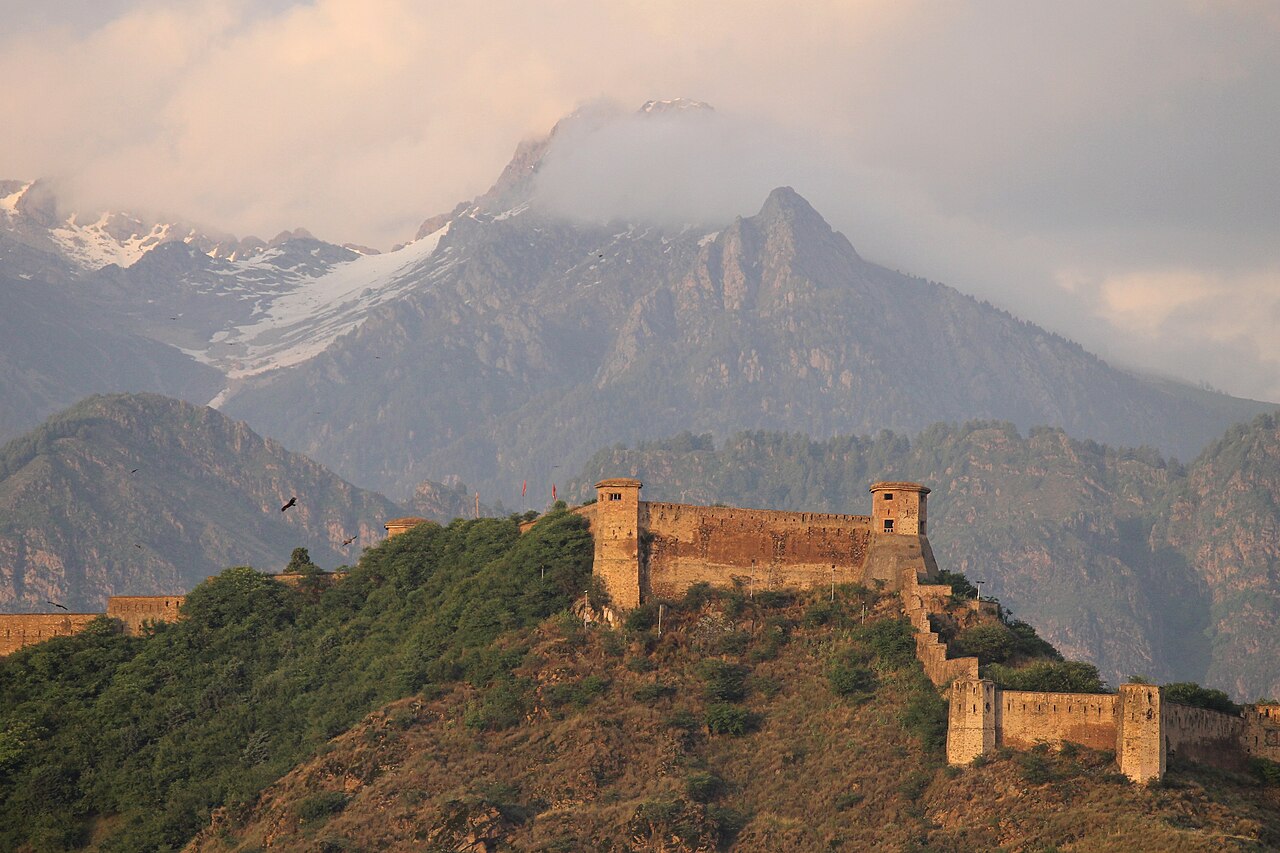
Photo: Mohamad Talib Bhat · CC BY-SA 3.0 · Wikimedia Commons
Period 9 of 12
1752 to 1819
As Mughal power collapsed, Kashmir was taken by the Durrani Empire of Ahmad Shah Durrani. It was ruled by governors sent from Kabul, a period remembered in Kashmiri tradition for heavy taxation and harsh treatment. The fort that stands on Hari Parbat today was built in these years.
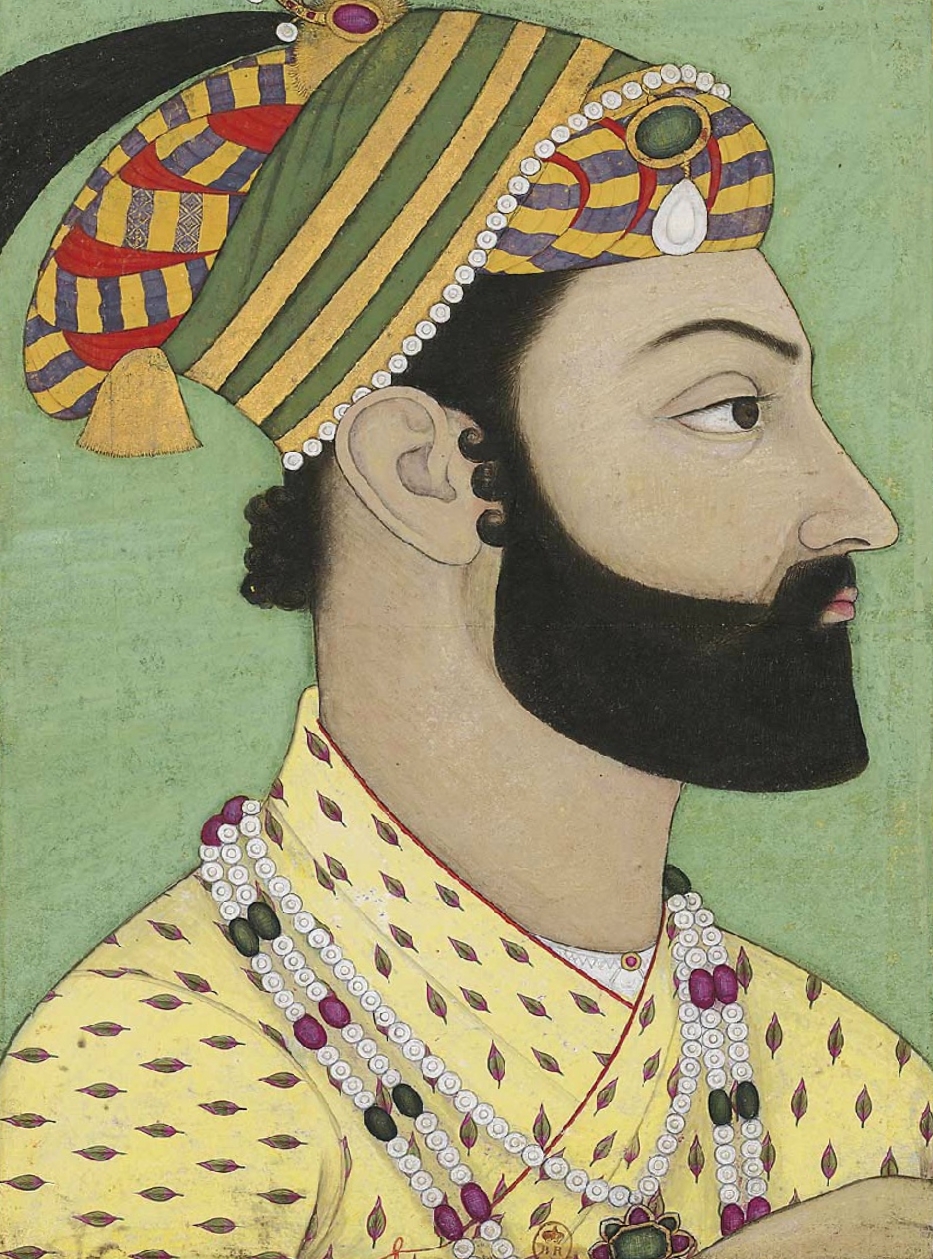
Photo: Unknown author Unknown author · Public domain · Wikimedia Commons
Period 10 of 12
1819 to 1846
Maharaja Ranjit Singh's army took Kashmir in 1819 and it became part of the Sikh Empire based in Lahore. The period was short and, by most accounts, hard for the Valley's people. It ended after the First Anglo-Sikh War, when the British transferred Kashmir to Gulab Singh.
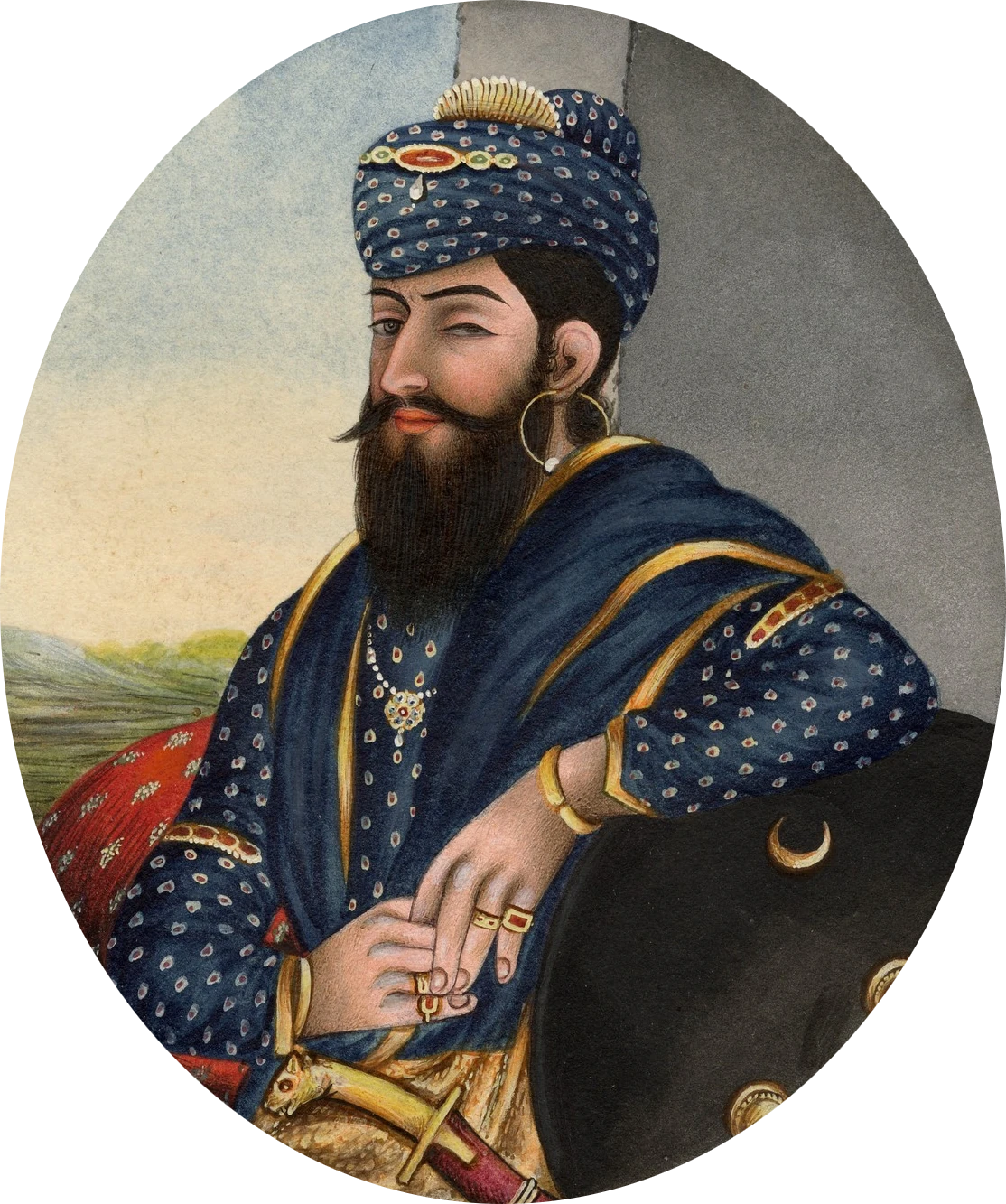
Photo: Unknown Company School artist · Public domain · Wikimedia Commons
Period 11 of 12
1846 to 1947
Under the Treaty of Amritsar, Gulab Singh became Maharaja of the new princely state of Jammu and Kashmir. Four Dogra rulers governed until 1947. The period brought roads, a museum and a modern administration, and also famine, heavy taxation and a growing political movement among Kashmir's Muslim majority that shaped everything after.
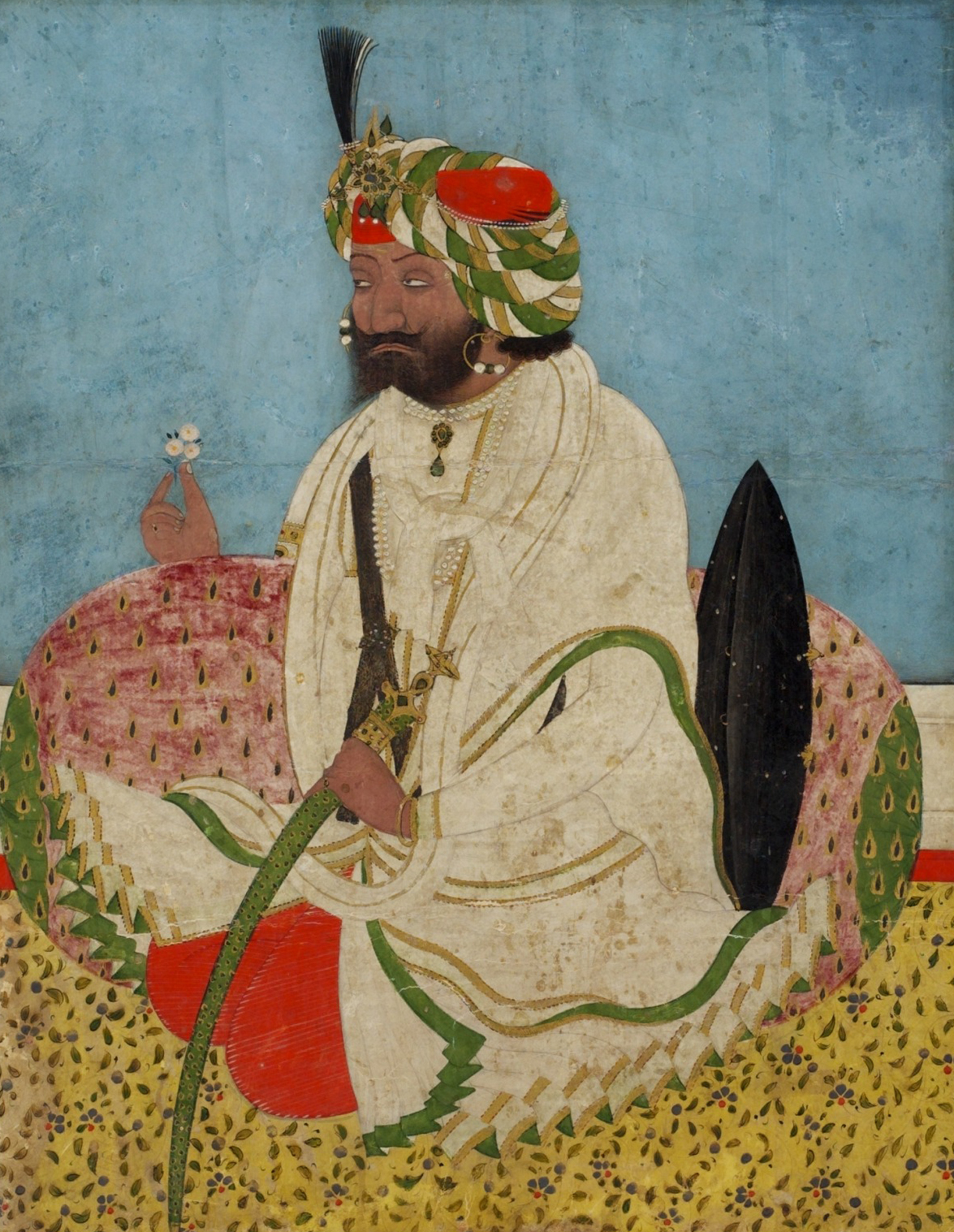
Photo: Unknown (production) · Public domain · Wikimedia Commons
Period 12 of 12
1947 to today
Partition left the princely state divided and disputed. Today the wider Kashmir region is administered in parts by India, Pakistan and China, and its status remains one of the world's longest-running disputes. This wing covers the major turning points and marks where accounts differ.
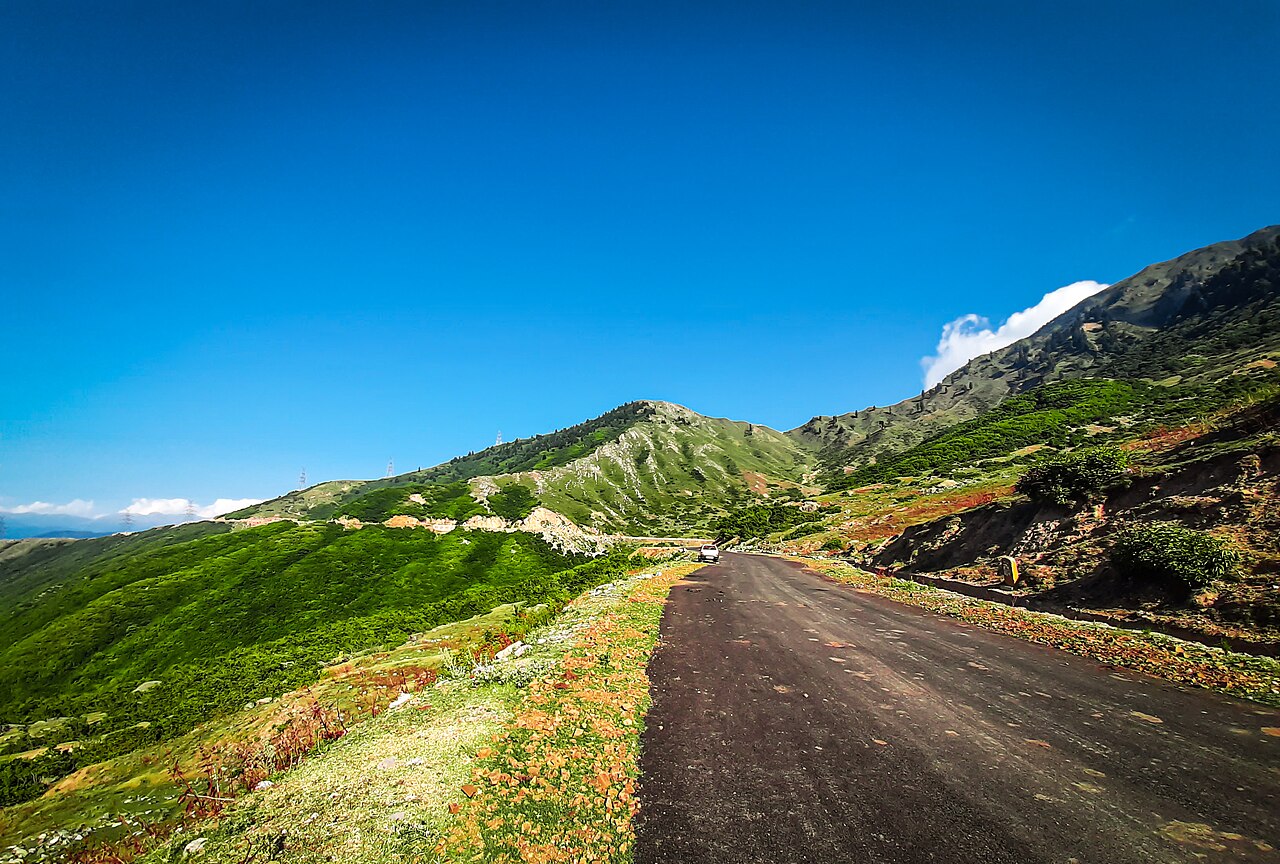
Photo: Mutahir Showkat · CC BY-SA 4.0 · Wikimedia Commons
The lakes, rivers, meadows and mountains that shaped how people lived in the Valley, and the wildlife that shares it with them.
Photo: Maxx786 · CC BY-SA 3.0 · Wikimedia Commons
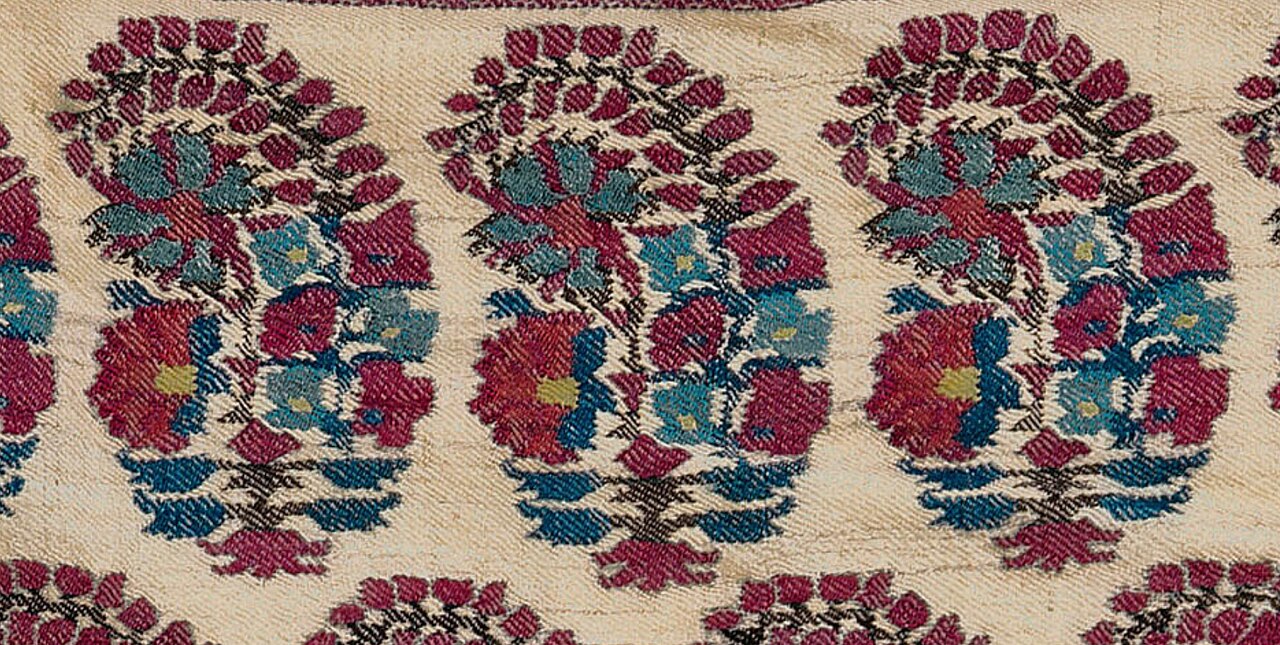
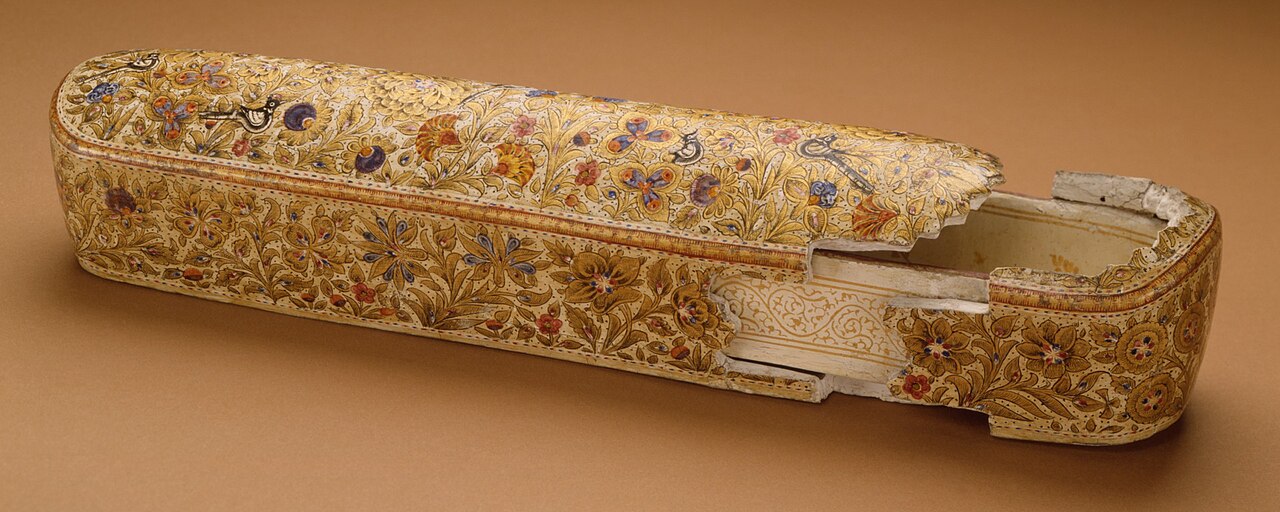
Crafts, food, language, writing and belief that have carried across dynasties and are still part of daily life.
Photo: Jainamishra · CC BY-SA 4.0 · Wikimedia Commons
About the coverage
Events are covered up to early 2026. Nothing after that has been added yet.
Last updated 3 October 2026.